
What Affects Shelf Life of Sea Buckthorn Juice?
Open a bottle of sea buckthorn juice, put it back in the fridge and maybe a week later you ask yourself: is it still okay? The answer is hesitant. The freshly squeezed kind of juice goes bad in about seven days, but the sealed, pasteurised bottle is stable for a year. Same berry, different result. The gap comes from choices made long before the bottle ever winds up in your hands: how it was processed, what it was packed in and how it’s stored. So how do these factors work?
How Long Does Sea Buckthorn Juice Last?
Short answer: anywhere from about a week to 12 months, depending on the type.
| Type of juice | Unopened | After opening | Storage |
| Freshly pressed, unpasteurized | About 7 days | Drink the same day if possible | Refrigerate at around 4°C |
| Pasteurized, sealed bottle or pack | Up to 12 months from production | Often 1 to 3 weeks | Cool, dry, away from light |
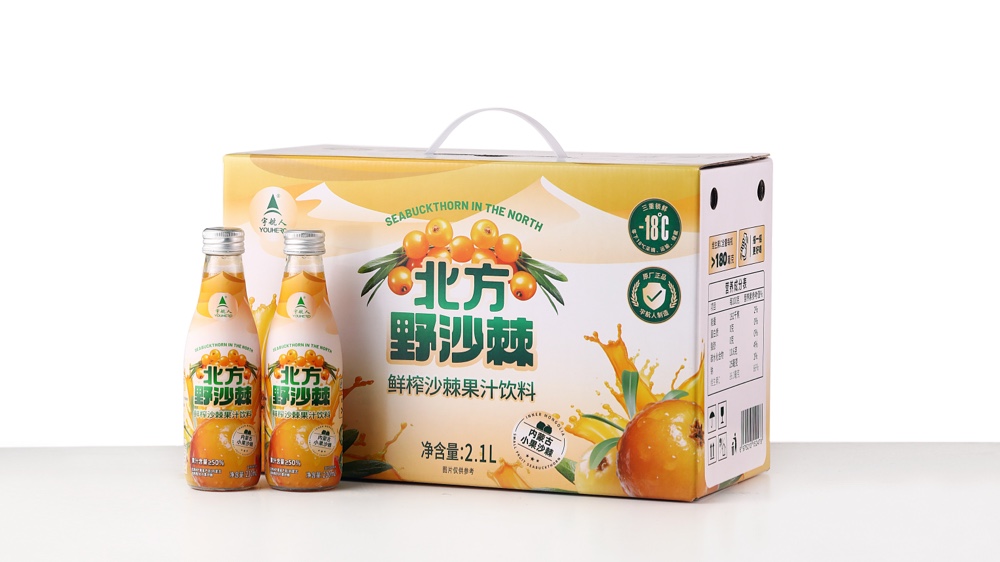
These figures come from published research and manufacturer labels. A Latvian study of juice from six sea buckthorn cultivars found the best storage time for fresh juice was 7 days at 4°C (±2°C). Commercially, one pasteurised cold-pressed juice sold in Europe has a shelf life of 12 months from production and up to 21 days after opening. Youhero’s own juices have a shelf life of 12 months when stored at 25°C or lower. Always adhere to the date and instructions printed on your particular product.
Why Shelf Life Varies So Much: 6 Key Factors
1. Processing Method
The raw juice contains natural yeasts, microbes and active enzymes. That’s why fresh juice doesn’t keep. Pasteurisation involves applying heat to reduce the microbial load and in the United States the FDA’s Juice HACCP rule (21 CFR Part 120) requires processors to achieve a 5-log pathogen reduction. The juice is hot-filled or aseptically filled, sealing it off from the outside world.
Quick tip:If a label uses words like “fresh” or “cold-pressed” but does not say pasteurization or high-pressure processing, plan on refrigeration. Also plan on a short time before drinking.
2. Packaging
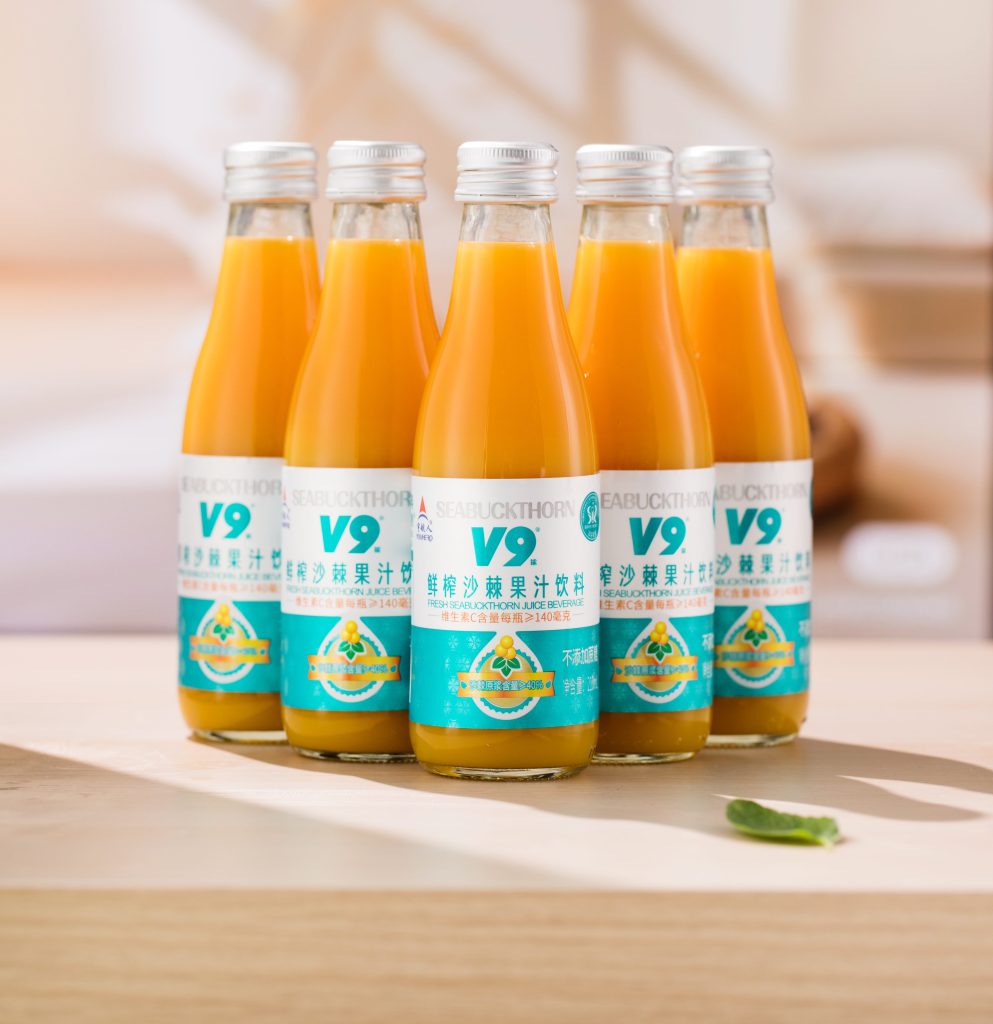
Packaging is the second line of defence. Glass, aseptic cartons and bag-in-Box systems all restrict oxygen and light. This effect was shown in a study with fresh sea buckthorn berries: chilled berries lasted less than a week under normal conditions, but up to 30 days in high barrier containers with a controlled gas mix. Juice works on the same principle. The less oxygen that gets in the slower the decline.
3. Sugar and Acidity
The sour, sharp taste of sea buckthorn is naturally due to the presence of organic acids. These acids are inhibitory to some microbes but will not prevent the growth of mould and yeast. Research from Latvia has revealed that adding sugar to fresh-pressed juice feeds the yeast already in the juice, reducing its shelf-life. In another study, the sensory quality, microbial activity, and antioxidant levels of sea buckthorn juices stored with and without honey were monitored (published in Frontiers in Food Science and Technology, 2025). What this means in practice: Changes to your formula change stability of product. “You can’t treat a no-sugar juice the same as a sweetened juice”
4. Oxygen and Light
Sea buckthorn is rich in vitamin C and carotenoids, two main compounds that easily break down when exposed to oxygen and light.You’ll know this has happened if the juice looks dull and its bright, vibrant flavour is gone.Some manufacturers fight this by injecting nitrogen into the juice during production to displace unwanted oxygen.Take Youhero, for instance, which uses nitrogen-shielded processing from raw-material thawing to pulping to preserve both vitamin content and original taste.
5. Storage Temperature
Heat can speed up two things. It can help microbes grow faster. It can also push chemical reactions along.
That is why labels use specific limits. Youhero says 25°C or lower. The European item listed earlier says 2°C to 20°C. Even if the bottle stays sealed, heat in a truck or sun on a display can cut shelf life.
6. Quality and Handling of Raw Materials
The quality and stability of any juice begins with the fruit from which it is made.Berries that are harvested at the right ripeness, maintained in good cold chain conditions and well thawed will give cleaner tasting juice with a longer shelf-life.In their fresh state, sea buckthorn berries will only last for less than a week, even when refrigerated, so the speed at which they are moved from the harvest to the processing stage makes a huge difference.
Unopened vs Opened: What’s the Difference After the Seal is Broken?
Open the jar and air and microbes get in and the clock speeds up. Seal well and refrigerate immediately. Do not drink directly from the bottle. Pasteurised juice should be consumed within the period indicated on the label, usually one to three weeks after pasteurisation.
Sediment, cloudiness or layers on the bottom. One of the most common concerns. Natural sea buckthorn juice will separate easily into pulp and oil. Shake vigorously. This is not in itself a sign that it has gone off.
How to Tell If Sea Buckthorn Juice Has Gone Bad
Trust your senses, and check for these signs:
- A sharp, fermented or alcoholic smell
- Fizzing, bubbles, or a bulging cap
- Visible mold on the surface or around the lid
- A noticeably dark or dull color compared with a fresh bottle
- An off or unusually bitter taste
If you’re not sure, throw it out.
How to Store Sea Buckthorn Juice Correctly
Before Opening: Store bottles in a cool dry place and away from direct sunlight and at the temperature indicated on the label.
Keep refrigerated after opening. Use within suggested days.
Freezing: Freezing will slow spoiling, but check the label first. Don’t fill glass bottles to the top; leave room for expansion. Don’t freeze full glass bottles. Some separation is to be expected after thawing.
What To Look For Before Buying In Bulk – For Buyers
The question of shelf life is as much a business one for retailers, distributors and beverage brands as it is a storage one. Ask suppliers for the following before you order:
- Production and expiry dates, plus the remaining shelf life you will have on arrival
- Processing and packaging details, such as the sterilization method and container type
- Conditions of storage and transport, including temperature limit
- Batch testing and traceability records to enable tracing of each lot back to its source
Youhero tests each batch for more than 15 factors, including heavy metals, nutrients and microbial counts, and production records enable partners to trace raw material sources, processing dates and results. On your side, a first in, first out routine in the warehouse ensures the stock is fresh.
Final Thoughts
The shelf life of sea buckthorn juice depends upon three main factors: processing method, packaging and storage. Get them right and a bottle will last a year. Get it wrong, it can spoil in days. If you’re sourcing for a store, cafe or private label line, enquire about all three.
Specifications, test reports or custom formulas needed? Contact Youhero or browse our range of sea buckthorn juices.


