
Amla vs Sea Buckthorn: Which Superfood is Right for Your Daily Wellness?
You’ve seen the superfood hype, right? And now you’re stuck comparing Amla vs Sea Buckthorn. Honestly, happens to a lot of people. These two ancient fruits get thrown around together like they’re the same. But they’re really not.
Here’s the short version. Amla is like a daily vitamin C power bank. Sea Buckthorn? More of a full body repair fluid. Not a serum, just… a repair kit. By the end of this, you’ll know which one actually fits your life right now.

What are Amla and Sea Buckthorn?
Before we jump into the head to head stuff, let’s give each one a proper intro.
Amla (Indian Gooseberry)
So Amla is a big deal in Ayurveda. Like, one of the most respected fruits there. People call it the king of vitamin C. Why? Because it packs 20 to 30 times more vitamin C than an orange. Yeah, that much.
Think of it as nature’s concentrated vitamin C tablet. But wait, there’s also polyphenols. Those are strong plant antioxidants that fight aging. The taste? Super sour and dry at first. Then a sweet aftertaste shows up. Kind of like life. Bitter first, then sweet.
Sea Buckthorn
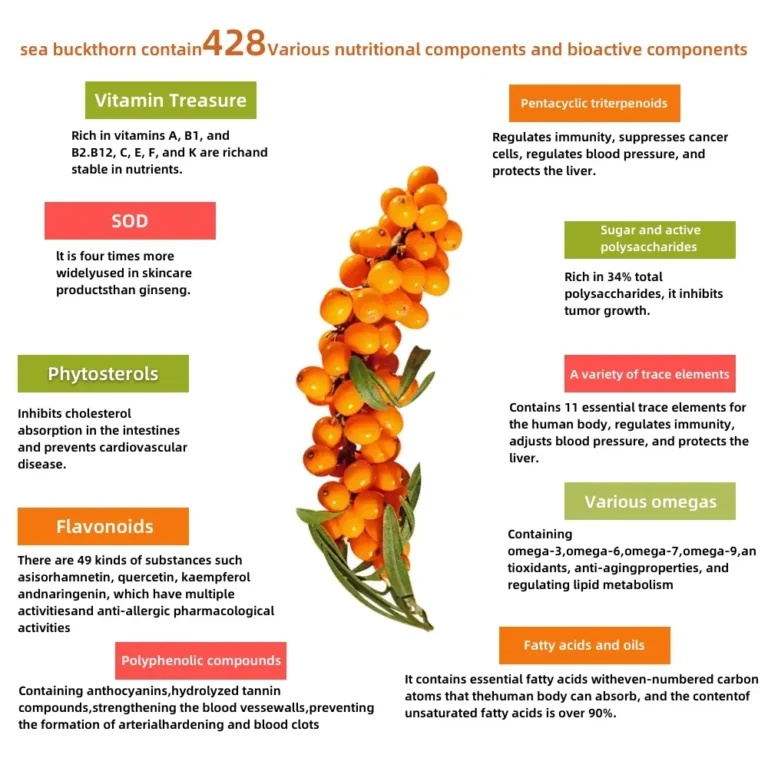
Now this one’s different. It’s a small orange yellow berry that grows in really harsh places, like the Himalayas. Extreme cold, strong UV. To survive, it built a crazy nutrient arsenal.
Sure, it also has vitamin C. But the rare thing here is Omega fatty acids, especially Omega-7. You don’t see that often in plants. So if Amla is that specialist champion? Then Sea Buckthorn is more like a full service commando team. For nutrition, I mean. Vitamins, antioxidants, essential fatty acids — all packed into one. And it doesn’t stop there. It gives deep support to your skin. Your mucous membranes. And yeah, even your internal organs.
Amla vs Sea Buckthorn: Key Differences
They’re both superfoods, sure. But the way they work? Completely different paths. Let’s look at four everyday angles.
1. Nutrition Focus: One Big Punch vs. Team Effort
Amla (one big punch)
Its strength is simple: high concentration. Super high vitamin C plus polyphenols gives very direct antioxidant power. Imagine a precision missile. It hits cell damage from free radicals. And gives your immune system a solid push.
Sea Buckthorn (team effort)
Here’s what makes this berry stand out. Balance. Seriously. It’s one of the few plants out there that gives you four different Omegas: 3, 6, 7, and 9. And that Omega-7? Palmitoleic acid, by the way. Really good at moisturizing your skin and helping fix those mucous membranes.
See it as a special ops team. Fatty acids build repair structures. Vitamins provide energy. Flavonoids do the coordination. Everyone has a job.
2. Absorption & Speed: Fast In vs. Slow Deep
Amla (water soluble, fast)
Most of its good stuff is water soluble. So when you drink Amla juice, it hits your bloodstream pretty quickly. You get fast antioxidant protection. And a little energy lift.
Sea Buckthorn (fat soluble, deep repair)
Those Omegas are fat soluble. That means you need food fat to absorb them properly. This is slow and steady deep repair. The nutrients go to places that need lubrication or healing: dry eyes, irritated stomach lining, rough skin.
3. What People Use Them For: Immune Guard vs. Tissue Fix
Amla
In both old and modern use, Amla leans toward prevention and resistance. Like stopping a cold before it starts. Or helping with daily metabolism and bowel movements.
Sea Buckthorn
This one is more about repair and regeneration. Dry skin, eczema, dry eyes, even stomach ulcers. That’s where it shines.
4. Everyday Life: Taste and How Easy They Are
Taste
Amla is extremely sour and astringent. Most people mix it with honey or other juices. Sea buckthorn taste? Also very sour, but with a unique fruity note. Almost like passionfruit and mango got into a sour fight.
Convenience
Both come as powders, capsules, juices. But sea buckthorn oil needs to be taken with a meal. Amla juice or powder? Easier. Just mix and drink in the morning.
Quick Comparison Table
| Aspect | Amla | Sea Buckthorn |
| Main ingredients | Very high vitamin C, plus tannins and polyphenols. That’s the short version. | Omega-7 is the star here. But also vitamin C, vitamin E, and carotenoids. Quite a mix. |
| What it’s really good at | Immune charging, no question. Strong antioxidant. Gives your metabolism a nice push too. | Moisturizing skin and mucous membranes. Tissue repair. Anti inflammatory. That’s its sweet spot. |
| How your body uses it | Water soluble. So it works fast. Empty stomach? Fine. After a meal? Also fine. | Fat soluble. Which means one thing: you must take it with food or some kind of fat. Non negotiable. |
| Best for | Daily cold prevention, energy, constipation relief | Dry skin, dry eyes, stomach sensitivity, anti aging |
| Taste profile | Extremely sour, strong astringency, then sweet aftertaste | Intense sour, unique fruity flavor |
When to pick: Amla vs Sea Buckthorn
| Go with Amla if |
| You feel a cold coming on and want a fast natural vitamin C hit. |
| Constipation or slow digestion is a regular thing for you. |
| You want to help your blood sugar or lipid levels stay balanced. |
| You just want a simple, no fuss daily antioxidant. |
| Go with Sea Buckthorn if |
| Your skin gets so dry in winter it peels or itches. Annoying, right? |
| You stare at screens all day. Eyes feel dry or gritty. |
| Your stomach is sensitive. Maybe mild gastritis or spicy food bothers you. |
| You want anti aging from the inside out. Especially plumper, more hydrated skin. |
| You’re after that rare Omega-7 for overall mucous membrane health. |
How to take Amla and Sea Buckthorn
The way you take them changes the results. A lot. Pick the form that fits your routine. Don’t overthink it.
Juice Form
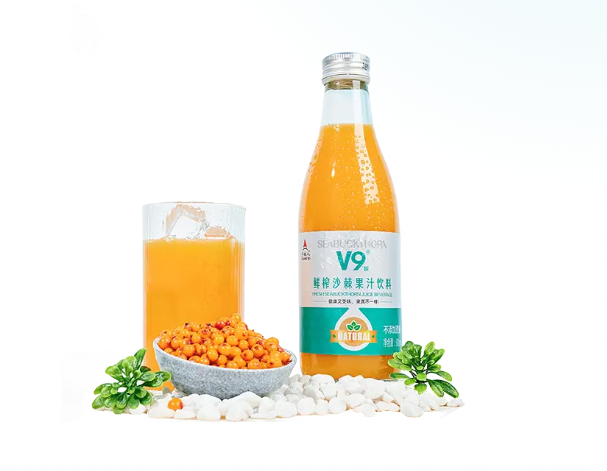
Easiest starting point. Just buy pure juice. No added sugar.
Real life example: Morning. Wake up. Mix 30 ml of Amla juice with warm water. Drink on empty stomach. Your immune system wakes up fast. Sea buckthorn juice? Better with or right after a meal. Treat it as a mealtime drink. Slow and easy.
Quick note: Good quality ones are cold pressed. Keeps more vitamins. Don’t buy the cheap sugar loaded stuff.
Oil Form
Sea buckthorn seed oil or fruit oil is where the fat soluble magic lives. How to take it? This part matters.
Here’s the simple science part. Sea buckthorn oil? Must be taken with a meal. No way around it. You could drip a few drops into your salad or yogurt. Or here’s another idea: take a small spoonful right after a meal that already has some fat — like eggs or avocado.
Real life example: You have salmon for dinner. That meal is perfect for sea buckthorn oil.
Capsules and Powders
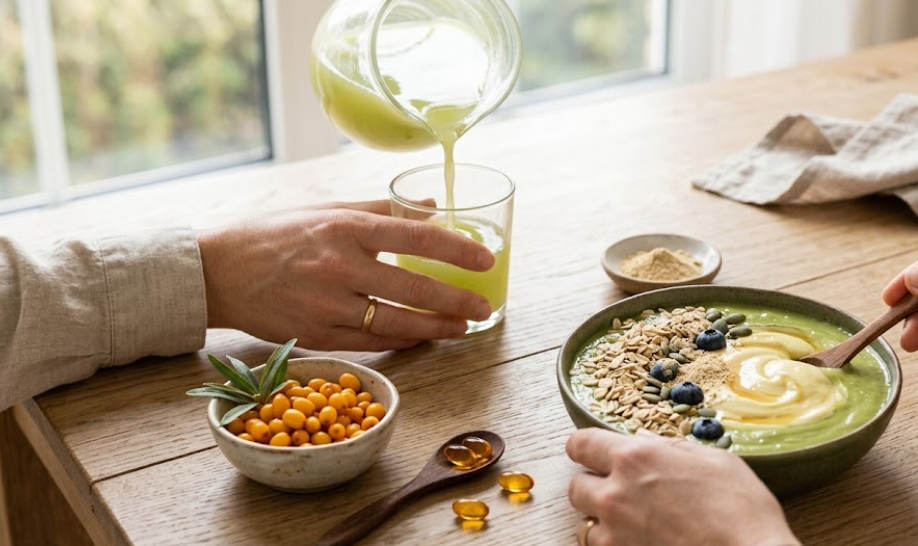
Softgels? Great for lazy people (no offense). No taste. Just water. Swallow two with a meal.
Powder? Add a spoonful to your morning smoothie. Or sprinkle on oatmeal. Gentler than oil, but consistent use still works.
A Flexible Daily Schedule
You don’t have to follow this exactly. But here’s a rhythm that works for many people. Just remember: Amla on empty stomach. Sea buckthorn with meals.
Morning (7:00 AM):
Amla juice (30 ml mixed with water) on empty stomach. Wakes you up. Kicks off metabolism.
Lunch (12:00 PM):
Sea buckthorn with your meal. Two or three softgels. Or a spoonful of juice. Or a scoop of powder into soup or yogurt.
Evening (7:00 PM):
If you really care about skin repair, add another sea buckthorn serving with dinner. Oil, capsules, juice. Doesn’t matter. No need every day. Listen to your body.
FAQ
Can we take Amla and Sea Buckthorn together?
Yes. And honestly, they might work better as a pair. Their mechanisms don’t clash. They complement. Think Amla as daytime defense shield, sea buckthorn as nighttime repair pack. But start low. See how your body reacts.
Does Amla help with stress and cortisol?
It does. High dose vitamin C has been shown to lower cortisol (that’s the stress hormone). Ayurveda also uses Amla to calm the mind and fight fatigue.
Why is Sea Buckthorn becoming so trendy?
Because a lot of people have what’s called “hidden hunger.” Your stomach feels full, but your cells are starving for real nutrients. Sea buckthorn’s rare Omega-7 hits exactly that: dry skin, damaged mucous membranes (common with modern gut issues), and chronic inflammation. It’s one of those superfoods you can actually feel working.
What is the best time to take Sea Buckthorn?
With a meal. Or right after. Ideally the meal with the most fat in your day, like lunch or dinner. Empty stomach? Most of it won’t absorb. Just passes through. Waste of money, really.
Which is better, Moringa or Sea Buckthorn?
Different dimensions. Moringa is known for complete amino acids (protein building blocks) and rich vitamins. Like a plant multivitamin. Sea buckthorn’s unique edge is those rare Omega fatty acids. Need protein and minerals? Moringa. Need skin and mucosa repair? Sea buckthorn.
Can I drink 60 grams of Sea Buckthorn every day?
Not recommended for regular people. That’s too high for daily wellness. So what’s a normal amount? For juice, around 30 to 60 ml. That’s about 30 to 60 grams. For oil, stick to 5 to 10 ml. Go higher than that? Your skin might turn slightly yellow. Don’t panic. It’s just carotenoids. Harmless. Goes away when you stop. But also, high doses could upset your stomach. So don’t go crazy.
The Final Verdict: Choosing Your Daily Wellness Partner
So in this Amla vs Sea Buckthorn face off, you don’t really have to pick just one. The smarter move is to understand their roles. Let each do its own job.
Amla is your immune defense shield.
Every morning, it quickly builds that antioxidant wall to fight stress and tiredness. Very cost effective daily immune investment.
Sea Buckthorn? Think of it as your body’s repair kit. Nothing fancy. Just works. When your skin gets dry, or your eyes feel tired after staring at a screen all day, or your stomach starts acting up for no good reason… that’s when it steps in. Gently. Deeply. It nourishes. It repairs. Simple as that.
Now look. You can start your morning with Amla. Fresh, bright, easy. Or you can turn to Sea Buckthorn when your body feels a bit worn down. Depends on the day, really.
But here’s the thing. The best superfood isn’t the one with the most hype. It’s the one that actually makes you feel good. The one you don’t hate taking. The one you’ll actually stick with, day after day.
So don’t overthink it. Just pay attention to what your body’s telling you right now. Pick based on that. That’s how you find your real health partner.