
Can Sea Buckthorn Provide Enough Omega 3
Wondering if sea buckthorn can deliver enough omega‑3 to support your daily health? Omega‑3 is vital for heart health, brain function, and reducing inflammation, yet our bodies can’t produce it on their own. While fish oil and flaxseeds are common sources, many people are now turning to plant-based options.
The simple answer is that yes. Sea buckthorn is an extremely potent superfood, rich in plants that can provide an exclusive, perfect balance of Omega fats to help improve your health and wellbeing from within.
What Is Omega‑3 in Sea Buckthorn?
Sea buckthorn does not contain the EPA and DHA found in fish oil. Instead, it provides ALA (alpha‑linolenic acid), the primary plant‑based Omega‑3.
The body needs ALA because it functions as an essential fatty acid which humans cannot produce. According to the U.S. Food and Drug Administration (FDA) and the Office of Dietary Supplements (ODS), ALA alone is sufficient to meet basic Omega‑3 requirements for most people.
The complete fatty acid profile of sea buckthorn makes it a unique plant. It contains Omega‑3 and Omega‑6 and Omega‑7 and Omega‑9 in naturally occurring balanced amounts. The combination of these elements works together in a synergistic manner to improve immunity and skin healing and heart health more effectively than Omega‑3 supplements which work separately.
Here’s a simple comparison:
| Source | Omega-3 Content | Main Type |
| Sea Buckthorn | Moderate | ALA |
| Fish Oil | High | EPA/DHA |
| Flaxseed | High | ALA |

Daily Omega‑3 Requirements: The Official Guidelines
Before judging whether sea buckthorn offers “enough” Omega‑3, we first clarify the standard daily intake set by global health authorities.
The FDA and FAO recommend the following daily ALA intake for adults:
- Men: 1.6 grams per day
- Women: 1.1 grams per day
The body achieves healthy inflammation responses and cardiovascular function together with cell health when people reach these recommended levels. The required amount for children and teens should be lower than adults yet it remains essential for their nutritional needs.
The established benchmarks enable us to assess the actual nutrition of omega 3 in sea buckthorn.
Does Sea Buckthorn Have Enough Omega‑3?
The short answer: Yes, high‑quality sea buckthorn provides enough Omega‑3 to meet daily needs. The FAO scientific studies demonstrate that sea buckthorn seed and pulp contain considerable amounts of ALA. The production of cold-processed sea buckthorn juice through low-heat oxygen-free techniques results in high Omega-3 retention.
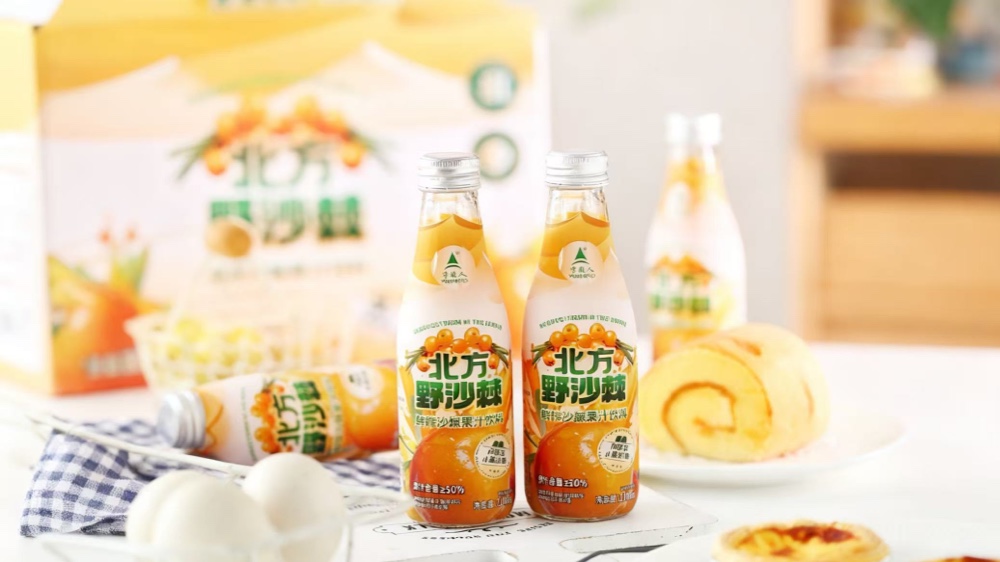
A 100ml serving of Youhero organic sea buckthorn juice delivers a meaningful amount of ALA. For most adults, 100–200ml per day is enough to reach or exceed the FDA’s recommended daily intake.
Unlike flaxseed, which requires grinding to unlock nutrients, sea buckthorn juice is ready to drink and gentle on digestion. This makes omega 3 in sea buckthorn one of the most convenient plant-based Omega‑3 sources available.

Why Sea Buckthorn Omega 3 Stands Out (Beyond Just “Enough”)
The RDI is vital, however, omega 3 in sea buckthorn is more valuable than the amount. Its unique nutritional profile as well as its synergy between other substances make it an excellent option for health over the long term:
1. Full Omega Family Synergy
As previously mentioned in the previous paragraph, it is known that sea buckthorn’s Omega 3 functions alongside Omega 6 7 and 9 – all vital for the human body’s health. FAO research has found that the balanced nature of this profile as “rare in plant foods” and can help improve the health of your heart, skin regeneration and immune function more efficiently than other isolated Omega 3 supplements.
2. Antioxidant Protection for Omega 3
Omega 3 becomes unstable because it reacts with heat and air and light exposure which leads to oxidation and loss of its essential properties. The antioxidant-rich sea buckthorn juice contains vitamin E and beta-carotene and polyphenols which protect ALA from oxidation to keep the nutrient active when you consume it. The nitrogen-protected processing used by Youhero maintains nutrient balance while protecting against the nutrient loss which typically occurs in heat-pressed juices.
3. Plant-Based, Allergen-Free, and Versatile
The complete plant-based and gluten-free product of sea buckthorn shows no seafood or nut allergens which makes it suitable for almost all dietary requirements that include vegan and keto and low-glycemic diets. Youhero offers diabetic-friendly 0-sugar options that maintain Omega 3 levels for fitness enthusiasts and diabetics.
How to Get Enough Omega 3 from Sea Buckthorn
To reap the maximum benefits of omega-3 in sea buckthorn, following these research-based strategies based on FDA’s RDI as well as real-world usage:
1. Stick to the Daily Serving
In the case of most adults, 100 to 200ml in Youhero sea buckthorn extract a day is sufficient to meet the ALA RDI of the FDA. The small amount can be easily incorporated into smoothies in the morning, breakfast routines and post-workout drinks.
2. Prioritize Cold-Pressed, Organic Varieties
Chemical processing and heat cause sea buckthorn to lose its Omega 3. Make sure you choose juices that are that are made using nitrogen protection and cold pressing, both methods approved from the FAO to preserve the integrity of fatty acids. Organic sourcing also eliminates pesticide residues that could hinder absorption of nutrients.
3. Pair for Enhanced Absorption
The vitamin C in sea buckthorn is already boosting ALA intake, combining it with a tiny portion in healthy fat (e.g. an ounce of nut butter, or a drizzle of coconut milk) will further boost conversion to DHA/EPA. Vegans who want to get more DHA and EPA, try adding a tiny portion of chia seeds in your drink of sea buckthorn to get an organic Omega 3 boost.
4. Avoid Overprocessing
You should stay away from sea buckthorn products which have added syrups and flavors and preservatives. The juice of Youhero is unflavored and fresh-pressed. The product offers its customers authentic access to the natural healthy berry pulp.
Is Sea Buckthorn a Good Omega-3 Source?
“Can sea buckthorn provide enough Omega 3?” The scientifically based answer is yes.
If properly processed and sourced, omega 3 in sea buckthorn delivers enough ALA to be able to meet FDA requirements. FAO everyday requirements. Its wide range in Omegas, antioxidants that are natural and its ability to absorb it makes it superior to other Omega-3 supplements.
The organic sea buckthorn juice of Youhero keeps these nutrients safe and easily. With just one small portion each day, you can help your brain, heart skin, the immune system without using flaxseed, fish oil, or complex routines.
In a modern world that is increasingly focusing on nutrition from plants sea buckthorn has established its place to be one of the safest and readily available source of Omega-3.
Related Products


