
What Foods That Have Omega-7? How to Get More Omega-7?
When it comes to healthy fats, most people are familiar with Omega-3 and Omega-6. In recent years, however, another lesser-known fatty acid has been attracting increasing attention in nutrition and skincare—Omega-7.
Although the human body can produce small amounts of Omega-7, getting it through a balanced diet can provide additional nutritional support for skin, cardiovascular, and metabolic health. So, what foods have Omega-7? Today, we’ll take a closer look at the best natural sources.

What Is Omega-7?
Omega-7 refers to a group of unsaturated fatty acids, with Palmitoleic Acid being the most commonly discussed form.
From a nutritional perspective, Omega-7 is different from Omega-3, Omega-6, and Omega-9. These fatty acids differ in their chemical structures, food sources, and roles in the human body.
Compared with Omega-3 and Omega-6, Omega-7 is found in a more limited range of commonly consumed foods. Therefore, it is useful to pay attention to specific natural food sources.
| Fatty Acid | Common Names | Common Food Sources |
| Omega-3 | EPA, DHA, ALA | Fatty fish, flaxseeds, etc. |
| Omega-6 | Linoleic acid | Nuts, seeds, and vegetable oils |
| Omega-7 | Palmitoleic acid | Sea buckthorn, macadamia nuts, etc. |
| Omega-9 | Oleic acid | Olive oil, avocados, etc. |
It is important to note that the fatty acid content of different foods can vary depending on factors such as variety, growing region, plant part, maturity, and processing methods. Therefore, no single food should be considered representative of all Omega-7 sources.
Which Foods Contain Omega-7?
Although Omega-7 is not as widely distributed in everyday foods as Omega-3, several natural foods contain palmitoleic acid.
Here are some of the most notable Omega-7 food sources.
1. Sea Buckthorn
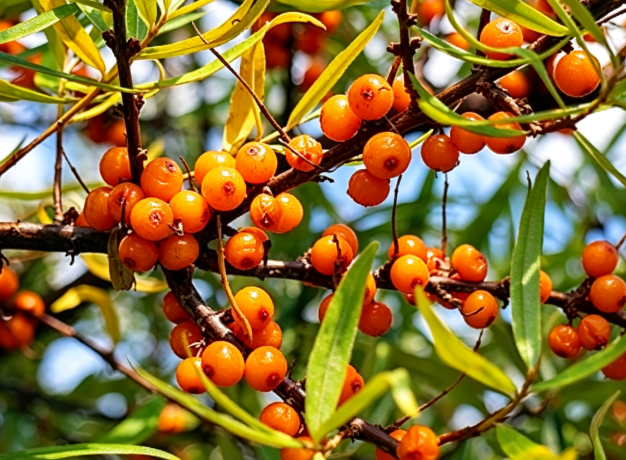
If you are looking for a natural source of Omega-7, sea buckthorn is one plant worth paying attention to.
Sea buckthorn is a plant that grows in parts of Asia and Europe, and its berries contain a variety of nutrients. Sea buckthorn oil has attracted particular interest because it contains several fatty acids, including palmitoleic acid.
Sea buckthorn can be incorporated into the diet in different forms, including:
- Fresh or processed sea buckthorn berries
- Sea buckthorn juice
- Sea buckthorn pulp
- Sea buckthorn oil
- Sea buckthorn oil capsules
Among these, sea buckthorn berries and oils extracted from the fruit are commonly discussed as natural sources in nutrition research and product applications.
2. Macadamia Nuts
Macadamia nuts are another well-known food source of palmitoleic acid.
Macadamia nuts are naturally rich in monounsaturated fats and also contain a certain amount of palmitoleic acid. As a result, they are often mentioned in discussions about “foods high in Omega-7” and “palmitoleic acid foods.”
One advantage of macadamia nuts is that they are easy to incorporate into everyday meals and snacks. They can be enjoyed as:
- A daily snack
- Part of a mixed nut blend
- A baking ingredient
- Nut butter
Compared with sea buckthorn, macadamia nuts are generally more suitable as part of an everyday dietary fat intake, while sea buckthorn and its oils are more commonly used in targeted nutritional products.
3. Certain Fish and Marine Sources
Some fish and marine-derived lipids may also contain palmitoleic acid.
However, the fatty acid composition of fish can vary considerably depending on factors such as:
- Fish species
- Habitat
- Diet
- Part of the fish
- Processing methods
Therefore, if your goal is to find foods containing Omega-7, you should not assume that all fish are high in Omega-7.
Fish are more commonly recognized for their Omega-3 fatty acids, such as EPA and DHA. The amount and significance of Omega-7 can vary depending on the specific fish species.
4. Avocado
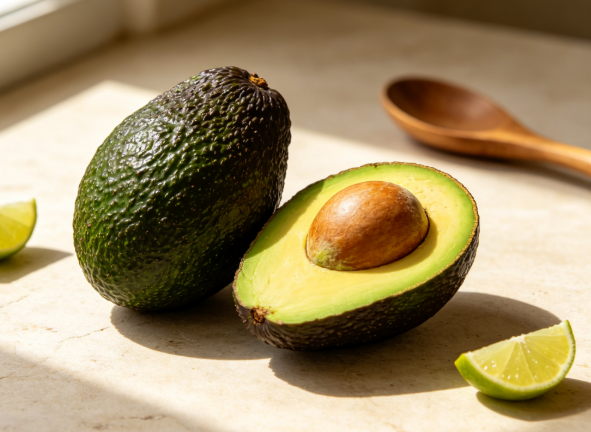
Avocados may also contain small amounts of palmitoleic acid.
However, avocados are better known for their rich content of monounsaturated fats, particularly oleic acid, which is an Omega-9 fatty acid.
Therefore, if you search “Does avocado contain Omega-7?”, the more accurate answer is:
Avocados can contain some Omega-7, but they are not considered one of the most typical Omega-7 food sources.
Avocados are better viewed as a nutritious plant-based source of healthy fats that can be part of an overall balanced diet, rather than as a specific food for increasing Omega-7 intake.
5. Other Animal and Plant Sources
In addition to the foods discussed above, palmitoleic acid can be found in different amounts in some types of animal fat, dairy products, and other plant-based foods.
However, the content of Omega-7 in these foods can vary, depending on the quality of the raw materials used, type/variety of the food, and the methods of production.
Thus, when searching for Omega-7 foods, it is better to concentrate on foods with relatively well-known sources of palmitoleic acid rather than just adding new foods to the list.
Omega-7 Food Sources at a Glance
| Food | Omega-7 Source | Common Forms |
| Sea buckthorn | Palmitoleic acid | Sea buckthorn berries, pulp, and oil |
| Macadamia nuts | Palmitoleic acid | Nuts and macadamia nut oil |
| Certain fish | Palmitoleic acid | Fresh fish and fish oil |
| Avocado | Small amounts of palmitoleic acid | Fresh avocado and avocado products |
| Certain dairy and animal sources | Varies | Everyday foods |
It is important to emphasize that the amount of Omega-7 in different foods is not fixed. Factors such as food variety, growing region, maturity, and processing methods can all affect the final fatty acid composition.
Which Food Contains the Most Omega-7?
This is one of the most frequent questions asked by those seeking Omega-7.
As for natural food sources, sea buckthorn and macadamia nuts can be listed as containing Omega-7. The fruits and oils of sea buckthorn are quite interesting in that their fatty acid composition can contain palmitoleic acid, which explains the use of sea buckthorn in Omega-7-containing foods and supplements.
However, it is not recommended to simply claim that one particular food “contains the most Omega-7.”
This is because fatty acid data can vary between studies, plant varieties, growing conditions, and processing methods.
If you want to compare the actual Omega-7 content of specific products, a more reliable approach is to check:
- Nutrition Facts
- Fatty Acid Profile
- Laboratory Test Results
- Certificate of Analysis (COA)
rather than relying solely on the product name.
Why Is Sea Buckthorn a Notable Natural Source of Omega-7?
Sea buckthorn is often talked about when Omega-7 is discussed not only due to palmitoleic acid contained in it, but also owing to its rich composition.
Apart from fatty acids, there are different plant compounds found naturally in sea buckthorn.
A Natural Source of Fatty Acids
Sea buckthorn berries and their oils contain a variety of fatty acids, including palmitoleic acid.
This makes sea buckthorn a commonly studied plant source for the development of Omega-7 nutritional products.
Available in Multiple Forms
Sea buckthorn can be processed into a variety of products, such as:
- Sea Buckthorn Oil
- Sea Buckthorn Oil Capsules
- Sea Buckthorn Juice
- Sea Buckthorn Pulp
- Sea Buckthorn Tea
Consumers can choose different forms based on their dietary preferences and lifestyle.
Why Eat More Foods Rich in Omega-7?
Including foods that contain Omega-7 as part of a balanced diet can provide a variety of nutritional benefits. Some natural Omega-7 sources also contain other fatty acids, vitamins, and antioxidant compounds, making them valuable additions to an overall healthy eating pattern. The benefits of Omega-7 are:
Supports Skin and Mucosal Health
Omega-7 may help support normal skin moisture and barrier function, helping the skin maintain its softness and elasticity. It is also associated with the health of mucosal tissues, including those in the eyes, mouth, and gastrointestinal tract, providing broader nutritional support.
Supports Cardiovascular Health
Omega-7 is an unsaturated fatty acid. Research suggests that it may help maintain healthy cholesterol and triglyceride levels and support normal lipid metabolism, potentially contributing to cardiovascular health.
Supports Healthy Glucose Metabolism
Omega-7 may be involved in lipid and glucose metabolism and may help support normal insulin sensitivity. As part of a balanced diet, it may contribute to healthy energy metabolism and overall metabolic health.

How Can You Get More Omega-7 Through Your Diet?
If you want to increase your dietary intake of Omega-7, there are two main approaches: choosing natural food sources and considering appropriate supplementation. As part of a balanced diet, you can select Omega-7 sources that fit your dietary preferences and lifestyle.
Choose Natural Food Sources
You can add foods rich in palmitoleic acid like macadamia nuts in your daily diet in reasonable quantities. You can also mix them with nuts, vegetables, fruits, and protein in good quality to achieve a balanced diet.
You should note that Omega-7 levels vary among the foods; therefore, you do not have to depend only on one food source.
Try Sea Buckthorn Products
In case sea buckthorn products are available in your area, you will have to choose between sea buckthorn juice, sea buckthorn pulp, and sea buckthorn oil according to your preference.
Apart from Omega-7, there are numerous other nutrients which are found naturally in sea buckthorn plants.
Consider Sea Buckthorn Oil Capsules
For those individuals who do not eat fresh sea buckthorn berries or any other sea buckthorn products, sea buckthorn oil capsules are a more practical choice.
They are more practical than fresh fruits to store and transport and may be taken based on the recommended serving from the manufacturer’s labeling of the products.
The thing to bear in mind when using supplements is that they cannot be substitutes for a healthy diet. While selecting dietary supplements such as sea buckthorn oil capsules, one must be aware of the ingredients and serving size of the product.
FAQs About Omega-7
How Can I Get Omega-7 Naturally?
You can obtain Omega-7 naturally by eating foods such as sea buckthorn, macadamia nuts, and certain fish. Sea buckthorn and its oils are among the more notable plant-based sources.
Is Omega-7 Good for Health?
Omega-7 is a naturally occurring monounsaturated fatty acid. Moderate intake can be part of a balanced dietary fat profile, although research into its potential health effects is still ongoing.
Is Omega-7 Better Than Omega-3?
Omega-7 and Omega-3 are different types of fatty acids, so it is not accurate to simply say that one is better than the other. Omega-3 fatty acids are more extensively studied and are important components of a healthy diet.
Do Humans Need Omega-7?
Omega-7 is not considered an essential fatty acid that humans must obtain from food. The human body can synthesize a certain amount of Omega-7 on its own.
Related Products


