
How to Supplement with Sea Buckthorn Oil?
Sea buckthorn is widely celebrated as a “superfood” of the plant kingdom. It contains over 190 bioactive substances and is a rare, rich source of Omega-7 (palmitoleic acid). As global interest in natural health and anti-aging continues to rise, more people are looking for scientific ways on how to supplement with sea buckthorn oil to maximize its health benefits.
This article covers everything from nutritional profiles and supplementation methods to dosage recommendations, usage scenarios, and buying tips. Here is how to seamlessly integrate sea buckthorn oil into your daily wellness routine.
Part 1. Nutritional Composition and Key Benefits of Sea Buckthorn Oil
Sea buckthorn oil is often referred to as “liquid gold,” and its core value lies in its extraordinary nutrient density. It provides comprehensive support at the cellular level through a unique profile of vitamins and fatty acids.
1. Rare Omega-7 Fatty Acids: Guardians of Mucosa and Metabolism
Sea buckthorn fruit oil is one of the most potent natural sources of Omega-7 (Palmitoleic Acid), a fatty acid rarely found in the plant kingdom. Its primary benefits include:
Mucosal Repair: The structural foundation of internal mucosae–from the skin to the eye, mouth, gut, and genitals–will not be completed without the omega-7 component. Applying omega-7 relieves diseases related to dryness, such as dry eye syndrome, xerostomia, and mucosal ulcers.
Metabolic Balance: It balances insulin sensitivity and blood lipids by lowering levels of “bad” cholesterol (LDL), and this helps to reduce the risk of heart disease.
Deep Hydration: It constructs protective walls of the skin, thereby preserving its resilience and moisture right from within.
2. Superior Antioxidant Matrix: A Natural “Anti-Aging Shield”
Sea buckthorn oil aggregates several powerful antioxidants that work synergistically to form a protective network:
Composition: Rich in Vitamin E, Carotenoids, Flavonoids, and Superoxide Dismutase (SOD).
Key Functions: Effectively defends against oxidative damage caused by UV rays, pollution, and stress, slowing down the aging process of skin and internal organs.
Immune Boosting: Supports the immune system’s stress response and can shorten recovery periods for colds or inflammation.
Tissue Regeneration: Accelerates wound healing and reduces the likelihood of scar formation.
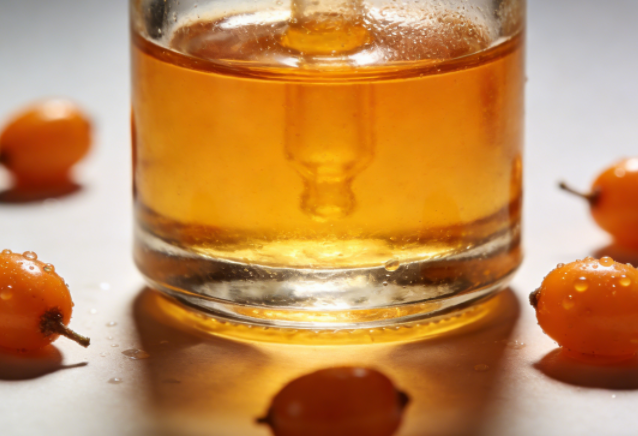
3. A “Versatile Healer” for Skin and Hair
Sea buckthorn oil is a favorite in the beauty industry because it can be used both orally and topically:
Topical Efficacy: It quickly soothes redness and itching caused by eczema or rosacea. Its high permeability helps smooth fine lines and improve skin dullness.
Hair and Nails: Long-term supplementation can improve brittle or dull hair and give nails a healthier, natural luster.
4. Dual Protection for Cardiovascular and Digestive Systems
Among the qualities that will be conferred upon it in terms of its anti-inflammatory effects will be the protection of the endothelial cells of the blood vessels, protection of blood from clotting, and the smooth circulation of blood.
Gastrointestinal Protection: The oil forms a substrate layer on the mucous membrane in the stomach. It aids in the neutralization of excess hydrochloric acid in the stomach. It hastens the healing of damaged tissues in the stomach. Thus, it is beneficial to a large extent to those who are suffering from stomach pain, indigestion, or stomach ulcers.
Part 2. Methods of Supplementing Sea Buckthorn Oil
Sea buckthorn oil possesses high biological activity. To ensure its nutrients are effectively utilized by the body, choosing the right method to use sea buckthorn oil is crucial.
1. Liquid Oral Oil: High Purity and Versatility
Sea buckthorn oil is extracted by pressing the fruit pulp or seeds, producing highly potent oil with high purity and no additives, in stark contrast to common refined oils available on the market.
Direct Consumption: Adults are advised to take 5-10 ml of oil a day or, otherwise, one to two spoonfuls of oil a day. Pro Tip: Some fats found in food are necessary for the absorption of such fat-soluble vitamins as Vitamins A and E present in the oil. Therefore, it’s very beneficial to take it along with your main meals.
Creative Mixing: Sea buckthorn products have an unmistakable distinctive tartness, a sweetness underscored by their unique orange-red color. Drizzle onto porridge flavored with yogurt or smoothies or use for a splash of color that sets apart a red-colored natural product added to a salad.
Beware: Sea Buckthorn oil is not heat-resistant. The unsaturated fatty acids along with many of the bioactive compounds are destroyed during frying or high-heat cooking.
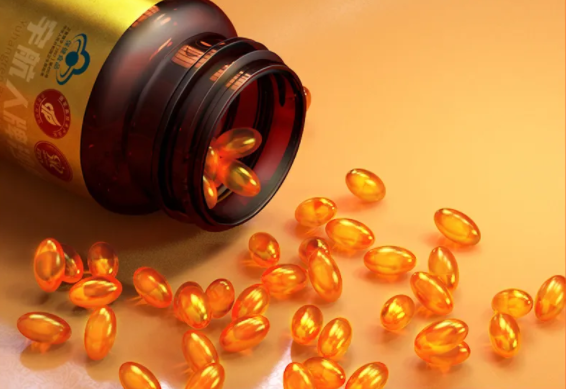
2. Softgel Capsules: Precision and Convenience
It will be appropriate for most people to start with the intake of hard capsules. The capsules are generally regarded as the most popular choice of delivery method for those persons with active lifestyles or who have never consumed supplements or read reviews or discussed the guiding aspects.
Measuring: Standard commercial capsules are available in Omega-7 250–500 milligrams per serving. This is more drastic than liquid oil but avoids the taste. The avoidance of the aromas found in oils also serves to eliminate any issue regarding the texture. With that statistic in mind, capsules definitely have their own advantage. One can easily adjust the amount to be consumed depending on the personal objectives of supplementation. For example, to deal with a narrow eye area or to help lessen skin dryness.
Shelf Life: The capsule is more protective against oxygen when it comes to the oil fouling. Thus, it is preferred as not get oxidized easily, and the capsule shell effectively blocks oxygen while slowing down oxidation and rancidity of the oil. This makes them quite suitable to keep in office drawers and even to carry along while traveling.
3. Topical Application: An “Emergency Kit” for External Repair
The powerful regenerative properties of sea buckthorn oil make it an excellent natural skincare ingredient.
Deep Feeding: During dry seasons, add one to two drops of sea buckthorn oil to your face or body cream to enhance your moisture barrier. Furthermore, the oil gets credit for healing those unsightly hangnails and cracked lips.
Problem Skin Care: In cases of light sunburn, allergic redness, or eczemas, apply the oil directly to the affected area. The Palmitoleic Acid (Omega-7) penetrates deep down into the skin layers to accelerate the healing of damaged tissue.
Just a thought: Organic sea buckthorn fruit oil has an extremely strong orange color. They color skin after a long application, so it is recommended you use it for evening application or well diluted.
Part 3. Scientific Dosage Recommendations and Precautions of Sea Buckthorn Oil
While sea buckthorn oil is a naturally extracted superfood, following a scientific dosage and consumption logic is essential to achieve optimal health benefits and avoid potential side effects.
1. Adult Dosage Reference: Start Low and Go Slow
Everyone’s physical condition and health needs are different; it is recommended to adjust based on your actual situation:
Daily Maintenance: A daily intake of 500mg – 1,000mg of Omega-7 is generally suggested. If you are using pure oil, this is approximately 5–10 ml per day.
Targeted Therapies: In the event of a decline of the gastric mucosa, severe dry eye syndrome, or skin inflammation, dosage may be increased in the short term under expert medical guidance. Prolonged excessive intake is discouraged, however.
The Adaptation Principal: In trying sea buckthorn oil for the first time, starting with a half dose (low dose) is advised. Observe the patient’s body for 3–5 days to check for any gastrointestinal discomfort, then slowly increase the dose to that which is officially recommended.
2. Best Time to Take: Balancing Absorption and Comfort
Consumption with Meals (Best): Taking it along with or immediately after a meal is the best way to consume the oil. Because of the fat-soluble bases found in sea buckthorn oil (for instance, Omega-7, Vitamin E, and Carotenoids), the presence of dietary fat is extremely necessary. Bile secretion rises a long way and greatly enhances absorption.
In the Morning: To speed up the practice of metabolism for the rest of the day. Some users prefer adding sea buckthorn oil to their breakfast. It helps to hold the wetness of the mucosa throughout the day.
On an Empty Stomach: Although absorption rate theoretically rises if taken earlier before eating, since sea buckthorn oil is acidic and fatty, many with delicate stomachs may experience mild heartburn, nausea, or reflux gases.
3. Safety Precautions and Contraindications
Specific Groups: Pregnant women, breastfeeding mothers, and children should consult a doctor before beginning supplementation. Food-grade or not, sea buckthorn has different physiological states in these groups.
Drug Interactions: *Anticoagulants: If you are taking Warfarin, Aspirin, or any other blood thinners, then sea buckthorn oil acts as a mild blood circulatory and antithrombotic agent. Consult your physician to avoid increasing the propensity to bleed.
Blood Pressure/Sugar Medication: Patients under medication are advisably required to keep a close watch on blood sugar and blood pressure levels, as they may be influenced by sea buckthorn oil.
Avoid Overeating: “Natural” should not imply that you can consume it limitlessly. A few individuals experience diarrhea, loose stools, or indigestion if they consume a substantial amount of oil, in which case the person should reduce the dose as quickly as possible or stop using it completely.
Part 4. Diverse Application Scenarios for Sea Buckthorn Oil
Sea buckthorn oil is more than just a nutritional supplement; it is a versatile “family health assistant.” By combining oral intake with topical application, it provides targeted support for a wide range of needs.
1. Essential Wellness: Comprehensive Protection from Within
Cardiovascular Guard: Long-term moderate supplementation helps in supporting vascular elasticity and cholesterol level management, thus a convenient option for those people in middle age as well as in their geriatric age, wishing for the prevention of cardiovascular issues.
Immune Reinforcement: A variety of vitamins and flavonoids in it support activation of your immune cells and become your “biological shield” especially during those times of seasonal changes or peak flu seasons.
Digestive Repair: Depending on cases of disorganized stomachs, bloating, or small gastric ulcers, sea-buckthorn oil can stand as a protective barrier for the stomach lining to gently soothe discomfort.
2. Beauty & Hair Restoration: A Natural Anti-Aging Formula
Fighting Redness and Sensitivity: Dry weather and peeling on the face or redness from a broken skin barrier can be powerfully taken care of by Omega-7 found in sea buckthorn oil and quickly absorbed by the cutis in order to retain moisture.
Brightening: By the high amount of antioxidants, the light of hope now shines again to perhaps alleviate some depression from burning midnight oil and aid in the very collagen synthesis to reduce fine lines and wrinkles.
Strengthening Your Hair: A tiny portion can be applied to the ends of the hair highlights by bringing about great suppleness in stillness, as well as split-ends and breakage if it is gently massaged onto the ends or incorporated into a hair mask.
3. Targeted Support for Specific Groups
Elderly Population: This will serve a mild regulating function in such older persons who typically experiences fluctuations in blood lipids and deteriorations in immune function.
High-Intensity Athletes: Oxidative stress during exercise is damaging to muscle cells. Sea buckthorn oil brings with it powerful properties that not only help accelerate muscle recovery but also dissipate the fatigue developed after a particularly strenuous workout.
High-Stress & “Night Owl” Groups: Sleep deprivation is going to leave the skin looking pale, with internal inflammation to accompany it. Sea buckthorn oil nourishes with necessary trace elements in dealing with stress while protecting liver and retinal health.
Part 5. How to Choose High-Quality Sea Buckthorn Oil
The market is flooded with various sea buckthorn products of varying quality. To ensure you are getting high-quality oil with true bioactivity, consider these four dimensions:
1. Core Component: Verify Omega-7 Content
Omega-7 is the primary benchmark for measuring the quality of sea buckthorn fruit oil. A premium product should clearly state the specific concentration of Omega-7 (Palmitoleic Acid) on its label.
Content Reference: High-quality pure fruit oil typically contains between 30% and 45% Omega-7. If the content is significantly lower or not labeled at all, its efficacy for skin and mucosal repair will be greatly diminished.
2. Extraction Method: Prioritize Supercritical CO2 Extraction
The extraction process directly determines the integrity of the nutrients:
Supercritical CO2: This occurs at low temperatures without the use of any chemical solvents. This process preserves those bioactive ingredients that are delicate, like so well-retained and vital bioactive substances (Vitamin E and Carotenoids).
Cold Pressing: This is also a good option, though it is more common for seed oils and typically yields lower volumes.
Avoid: Products using solvent extraction or high-heat refining, as these methods lead to oil oxidation and potential chemical residues.
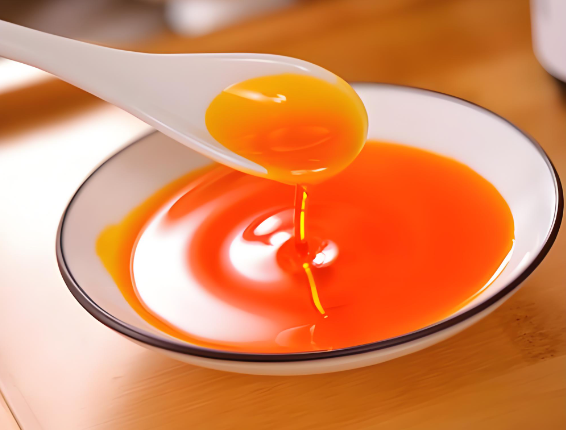
3. Origin and Brand Reputation
High Altitude Areas: Sea buckthorn growing in high altitude, cold, and high-UV rays areas (such as Tibet, Xinjiang, Inner Mongolia, or Siberia) usually produce higher antioxidants due to hard living conditions.
Certifications: Check for brands with Organic Certifications ( e.g., USDA, or EU Organic) or third-party laboratory Certificates of Analysis(COA) to guarantee that the product is free of pesticide residue and synthetic dye.
4. Formula Purity: Watch for “Hidden Ingredients”
Check the Label: High-quality sea buckthorn oil (especially oral grade) should be 100% pure oil. Check the ingredient list to ensure there are no artificial flavors, preservatives, soybean oil fillers, or synthetic colors.
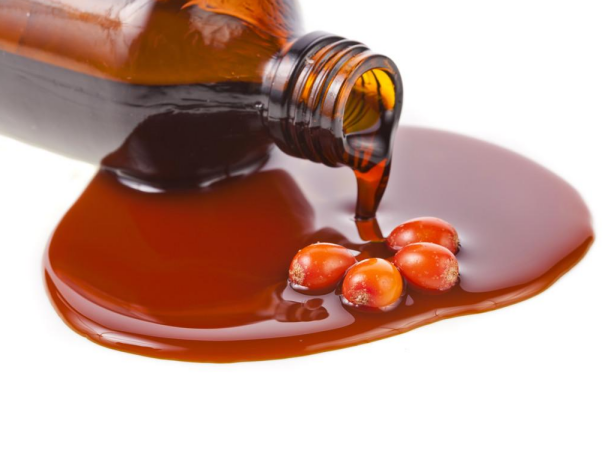
Protective Packaging: Sea buckthorn oil is light-sensitive. Always choose products in dark glass bottles to prevent the nutrients from oxidizing and losing potency due to light exposure.
Youhero Sea Buckthorn Oil: Your Reliable Sea Buckthorn Choice
If you are looking to scientifically supplement with high-quality sea buckthorn oil, Youhero Sea Buckthorn Seed Oil are a highly recommended choice:
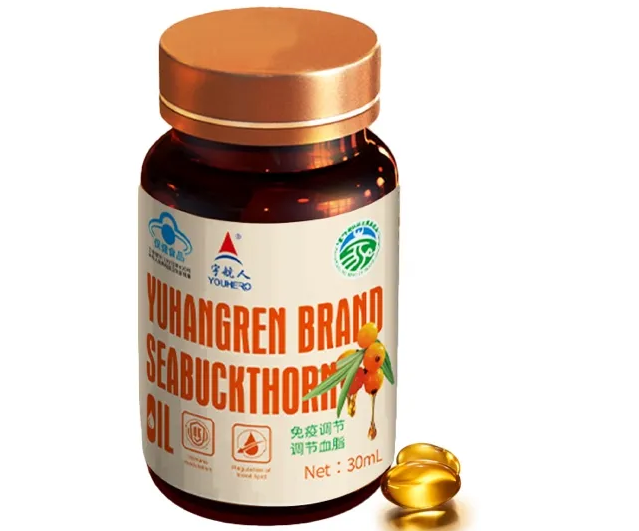
Premium Raw Materials: Sourced from wild organic sea buckthorn seeds in the Manhan Mountains of Inner Mongolia, naturally rich in Linoleic acid, Linolenic acid, and Vitamin E.
Scientific Nutritional Profile: Each 100g contains ≥35g of Linoleic acid, ≥27g of Linolenic acid, and ≥70mg of Vitamin E. This stable nutrient profile makes it ideal for long-term supplementation.
Advanced Extraction Technology: Utilizes Supercritical CO₂ Low-Temperature Physical Extraction. This process ensures no chemical residues and maximizes the retention of bioactive ingredients.
Target Audience: Particularly beneficial for individuals with weakened constitutions, low immunity, or those managing high blood lipid levels.
Usage Instructions: Take 1–2 times daily. For liquid forms, the dosage is 5ml per serving; for capsules, follow the labeled instructions. Once opened, consistent daily use is recommended.
Multifunctional Applications: Suitable for daily nutritional support, immune boosting, and blood lipid management. It is also an excellent addition to elderly nutrition, women’s health routines, and functional food formulas.
Global Quality Assurance: Holds China Health Food (Blue Hat) and Organic Certifications, alongside EU, Japanese, and USDA Organic Certifications. The capsules use Halal-certified bovine bone gelatin and feature robust packaging suitable for long-distance shipping.
Choosing a high-quality sea buckthorn seed oil product like Youhero, you can gain more reliable support for your daily wellness, cardiovascular health, and beauty regimen.
Related Products
