
How to Take Sea Buckthorn Oil Orally?
With natural and plant-based supplements on the rise, sea buckthorn oil is slowly making appearances in the limelight. Ever since news about the nutritional properties of sea buckthorn oil spread, consumers are no longer asking “should I take it?” but rather the following question:
How should sea buckthorn oil be taken orally to ensure it is scientific, safe, and suitable for long-term supplementation?
In this post, we are going to target on “how to take sea buckthorn oil orally” and give a systematic explanation on this matter from many perspectives and help you form a comprehensive and well-informed view on oral intake of sea buckthorn oil. Alright, let’s get started!
Part 1. Can Sea Buckthorn Oil Be Taken Orally?
In daily life, some people might be more familiar with using sea buckthorn oil for skincare, such as applying it to the face or body. This often raises the question: Can sea buckthorn oil be taken orally?
The answer to this question is: yes, sea buckthorn oil can certainly be ingested orally!
Historically and currently, in the use of nutritional supplements, sea buckthorn oil has been extensively used as a dietary supplement.
This is usually extracted from sea buckthorn berries or seeds through delicate processes like cold pressing or supercritical fluid extraction. This makes sea buckthorn oil very useful in food and nutritional supplements such as softgel capsules or liquid oil.
Made under proper standards relevant to food or dietary supplement quality, sea buckthorn oil appears to be safe for oral ingestion. It is most appropriate in a daily regimen aimed at supporting a gentle supplementation of the nutrient needs of the body on a daily basis.

However, while taking sea buckthorn oil, certain basic guidelines must be kept in mind:
Select products that meet standards for food or dietary supplements and come from reputable sources that clearly indicate ingredients.
Adhere to the recommended amount of consumption, preventing undue stress to the body due to overuse.
Sea buckthorn oil should be viewed as a dietary supplement rather than medicine and should by no means be used in place of treatment and prescription medications.
If carefully considered and correctly administered, the oral administration of sea buckthorn oil can safely and successfully act as a nutritional supplement.
Part 2. Main Methods to Take Sea Buckthorn Oil Orally
There are three forms of sea buckthorn oral supplements available on the market that suit different individuals due to the differences they entail. Being conscious of the pros and cons of each application form will enable you to select the most appropriate means for its intake.
1. Direct Oral Ingestion of Liquid Sea Buckthorn Oil
The first form of oral use is in the form of liquid oil and is still being utilized by seasoned individuals.
Advantages:
- Natural Composition: It is not directly and naturally composed, but the oil is minimally processed.
- No preparation needed: Does not require mixing or using any tools.
Disadvantages:
- Robust taste: The taste of this oil is distinct and slightly sour; this could prove difficult for many people to consume on a larger scale.
- Difficult to control dosage: It is difficult to measure a specific amount for regular scientific dosages.
- High storage requirements: It is sensitive to heat, air, and light; as a result, oxidation and spoilage may occur if not stored appropriately.
- Not convenient for transport or long-term storage: Liquid form. This form requires proper handling since it is not very ideal for transport and storage.
Suitable for:
- Those insensitive to taste and able to consume on a regular basis.
- Skilled individuals interested in learning how to handle and conserve liquid sea buckthorn oil.
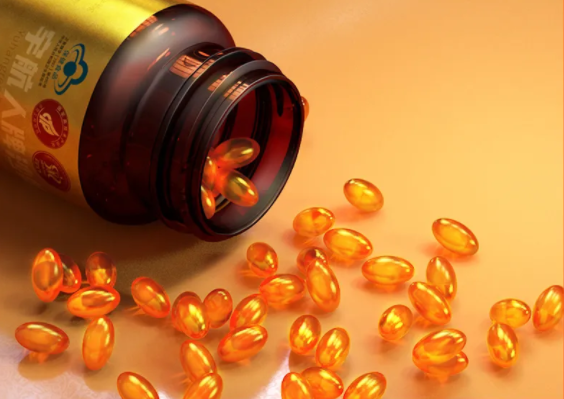
2. Sea Buckthorn Oil Capsules(Softgel)
Capsules are currently the most popular and mature oral form, widely used in the international dietary supplement market.
Advantages:
- Standardized dosage: A definite amount is present in each capsule, which can be administered in a scientific way.
- Taste-friendly: This is a good attribute since the strong oil flavor is hidden by the capsule coat, ensuring ease of consumption.
- Lowers oxidation risk: Capsules keep oil away from air, thus aiding in maintaining nutrients.
- Portable for convenience: Using capsules is easier and more convenient for consumption compared to liquid oil supplements.
Suitable for:
- Those needing a regular daily supplement.
- People requiring convenient dose taking and disliking the taste of liquefied oil.
3. Adding Sea Buckthorn Oil to Foods or Beverages
Sea buckthorn oil is taken by some users by adding the oil to salads, yogurt, juice, and other beverages, adding nutrition to the diet.
Advantages:
- Versatile method of adding the oil into your diet.
- Convenient for people who do not like to swallow capsules or liquid oil.
Disadvantages
- Difficulty in regulating consumption: Once the mixture is made with food or liquids, the consumption of the exact amount in a day is difficult.
- Oil stability could be impacted by: High temperatures, agitation, or an acidic/alkaline environment could degrade the active substances in oil.
- Not ideal for long-term, steady supplementation: This procedure is preferably suited for short-term uses and not designed for steady, daily supplements.
Suitable for:
- Occasional use or trying it out.
- Individuals wanting a means of integrating the oil into their own nutritional program but are not concerned with exact dosage.
Part 3. How to Determine the Oral Dosage of Sea Buckthorn Oil?
The dosages that one can take orally vary and depend on various conditions that include:
Product concentration and specifications: This will differ from brand to brand and technique of processing, hence requiring that dosage follow the particular guidelines for the use of the commercial product.
Source of raw material: Sea buckthorn seed oil and sea buckthorn fruit oil vary in composition based on fat-soluble vitamins and omega-7 fatty acids. This may differ in the amount of required daily consumptions.
Personal dietary and tolerance factors: The bodily condition, dietary practices, and capacity for metabolism and utilization of oils of individuals will differ; thus, dosage may require differention.
According to these considerations, the following guiding principles are generally recommended for oral administration:
Always refer to the product label as the first guide on the amount to consume.
Do not fall into a “the more, the better” mentality; stable consumption is better than irregular high-dosage treatment on occasion.
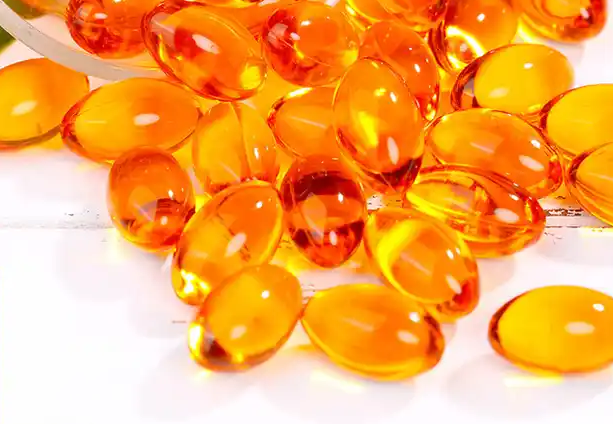
In terms of capsules, standardized dosage has major benefits since it ensures ease of measuring for consumption, helps an individual create a lasting behavior, and prevents overconsumption. It is one of the major reasons for the popularity of capsules in dietary supplements.
By identifying the right dosage and following a regular routine, you can avail the maximum nutritional benefits from sea buckthorn oil.
Part 4. Sea Buckthorn Seed Oil vs. Sea Buckthorn Pulp Oil: Differences in Oral Use
Sea buckthorn oil is a multi-nutrient dietary supplement. The primary sources of sea buckthorn oil are sea buckthorn seed oil and sea buckthorn pulp oil. There are differences in the nutritional content of both.
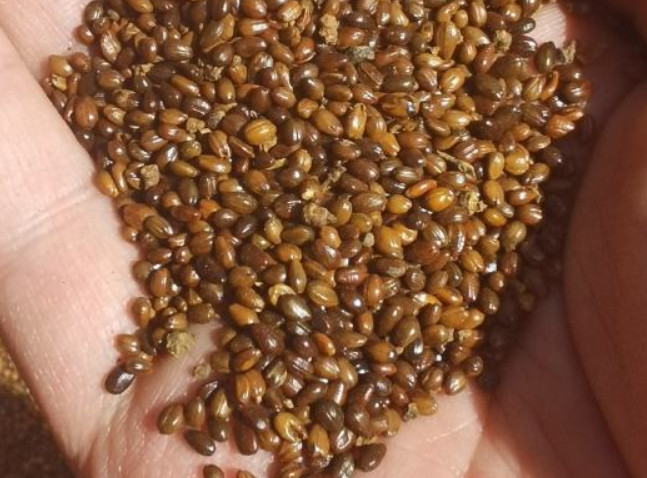
Sea Buckthorn Seed Oil
Source: Derives from sea buckthorn seeds
Features: High in Omega-3 and Omega-6 unsaturated fatty acids; stable fatty acid composition for long-period consumption
Applications: It is widely used in dietary supplements and is often used in capsule supplements, making it more convenient for people to adopt a regular supplement regimen
Sea Buckthorn Pulp (Fruit) Oil
Source: Derived from the juice of sea buckthorn fruits
Features: Rich in Omega-7 fatty acids; also contains carotenoids and vitamin E compounds found in nature
Applications: Frequently found in specialty nutraceuticals, applications include skin health, cardiovascular support, and antioxidant support
In the case of oral supplements, sea buckthorn seed oil in general is better suited to encapsulated supplements on the basis of its balanced fatty acid composition and ability to be used consistently on a daily basis. Of course, sea buckthorn pulp oil may again be used in functional supplements based on health needs and demands.
While deciding on the type of sea buckthorn oil, the individual’s eating habits, the purpose of using the supplements, and the intention for the future must also be considered. In order to get the greatest benefit from sea buckthorn oil and for ensuring its efficacy and safety, the process has to be scientific and systematic.
Part 5. Who Should Exercise Caution When Taking Sea Buckthorn Oil Orally?
Even though sea buckthorn oil is natural, it is not necessarily safe to use on everyone. Some groups of people would require extra care before consuming orally:
Pregnant or nursing women
Pregnant and nursing mothers should take care not to take any dietary supplements. Although sea buckthorn oil is safe for use, all efforts should be made to seek medical attention to avoid any possible influence on the baby.
Persons taking any other supplements or drugs
Additionally, if you use any health supplements or medications, sea buckthorn oil can interact with certain components of these health supplements or medications, hence affecting absorption. You should consider consulting a health expert before using sea buckthorn oil.
Individuals sensitive to oils
Sea buckthorn oil is an oil extracted from a plant, and some people might have sensitivities to oil, which may result in mild stomach upset.
First-time users
There may be mild digestive problems like bloating or loose stools in beginners. This can be relieved if the intake of the oil is varied or consumed post-eating a meal. If the problem persists, its use should be stopped and sought from a professional.
Generally, sea buckthorn oil can safely be used by most individuals, while for the mentioned groups, it is advisable that care and a gradual approach must be adopted.

Part 6. Why Sea Buckthorn Oil Capsules are a Better Option for Long-term Use?
Globally, sea buckthorn oil capsules have emerged as the most popular form of sea buckthorn supplement taken orally. The prime reasons for their popularity include:
Standardized dosage for scientific management
The capsules come in a fixed dose such that users are able to regulate their intake of the drug every day to avoid consuming either too little of the drug or too much of
More stable storage and transportation
Capsules prevent the oil from being exposed to light and air, hence protecting the oil from oxidation and ensuring that the process of transporting the oil is much simpler than for liquid oils.
Quality user experience for adherence over time
The capsules have a taste-friendly and odorless attribute. This makes the capsules suitable for long-term consumption.
Adherence to international standards and regulations
A capsule form is easier to achieve international production and quality standards for dietary supplements and helps build a brand as well. Thus, for those who would like to consume sea buckthorn oil on a regular basis, the capsule form is not only more convenient and reliable, but also the most preferred option in the global market due to its safety and scientific validity.
Summary
Scientifically taking sea buckthorn oil orally shall always prioritize the following: safety, stability, and sustainability. It’s important to choose the right form of taking supplements to ensure better absorption and tolerability by considering taking supplements with meals or taking supplements after having meals to enhance their effectiveness.
Capsule supplements, in particular, are highly advantageous in terms of stability and convenience. It is important to focus on the quality and raw material origin to guarantee successful long-term supplementing.
If ever looking for premium sea buckthorn seed oil supplements, the best alternative shall be from Youhero.
Related Products
