
Sea Buckthorn Berry Oil vs Seed Oil: 5 Key Differences You Should Know
In recent years, sea buckthorn oil has become a “treasure oil” in many people’s daily lives, thanks to its rich nutrients and wide-ranging health benefits. But you might not know that sea buckthorn oil isn’t just one type, it mainly comes in two forms: sea buckthorn berry oil (Berry Oil) and sea buckthorn seed oil (Seed Oil). These oils come from different parts of the plant, contain different nutrients, and therefore offer distinct benefits. To truly get the most out of sea buckthorn oil, it’s important to understand the differences. This article will take a closer look at sea buckthorn berry oil vs seed oil, exploring their unique effects and helping you choose the one that best suits your needs.
Part 1. What is Sea Buckthorn Berry Oil?
Sea buckthorn berry oil is extracted from the fruit of the sea buckthorn plant, including both the skin and pulp, which allows it to retain a wealth of nutrients found in the whole fruit. Compared to seed oil, berry oil is more focused on skin care and antioxidant benefits, making it ideal for those who prioritize topical skincare and overall wellness.
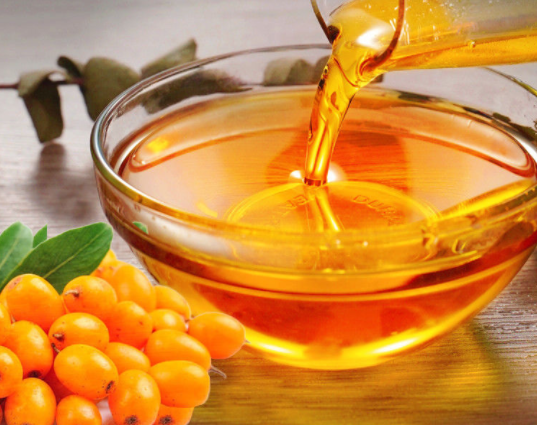
Its key features include:
1. Omega-7 Rich Beneficial
As far as structure goes, sea-buckthorn berry oil is rich in Omega-7 fatty acids compound with oleic acid and palmitoleic acid rather than fatty acid like oleic acid and palmitoleic acid.
Meanwhile, the main roles played by them include repair of the skin barrier, improved skin elasticity, and reduction of stress and faster healing of tiny wounds or slight burns. Also helpful for natural nourishment and maintenance of extremely dry, dehydrated, or wounded skin.
2. Action of the Antioxidant Power
Berry oil does contain loads of natural antioxidants, namely carotenoids including vitamin C. These elements are oxidative scavengers that help to control free radical damage, slow skin aging, and make the skin look more radiant. With regular use, damaged and rough skin will be less visible, while having the added benefit of possibly heightening the immune response.
3. Remarkable Skin Care and Repair Effects
The highly potent sea buckthorn has been used extensively in skincare ingredients. For example, it is present in facial serums, body lotions, and repair creams that provision relief from dryness, muscle, and inflammation and soothe skin irritations, such as sunburn or redness. Its most appealing aspect is that it is mild and will not cause irritation, even for those with very sensitive skin.
4. Other Possibilities For Healing
Though mostly formulated in skin-care products, they can be easily perceived today as food substances that will encourage internal activities: the anti-inflammatory properties they carry are likely to help sustain digestive health or even cardiovascular function. However, such health benefits are only supplemental, as its primary deformative application continues to be skin care.
Sea buckthorn oil is awesome for those involved in the healing process of the skin or for those in need of anticancer effects and antioxidant reinforcement. Should your intention be of enhancing your skin state, therefore, soothing dryness, or soreness in any part, and then berry oil is your best friend.
Part 2. What is Sea Buckthorn Seed Oil?
Sea buckthorn seed oil is a natural oil expressed from the seeds of the sea buckthorn fruit through a cold process. Unlike the fruit oil, however, the seed oil profile is more helpful to inward nourishment and sustaining the skin against erosion, therefore apt for those enthusing on better cardiovascular health, hair, and nail care.
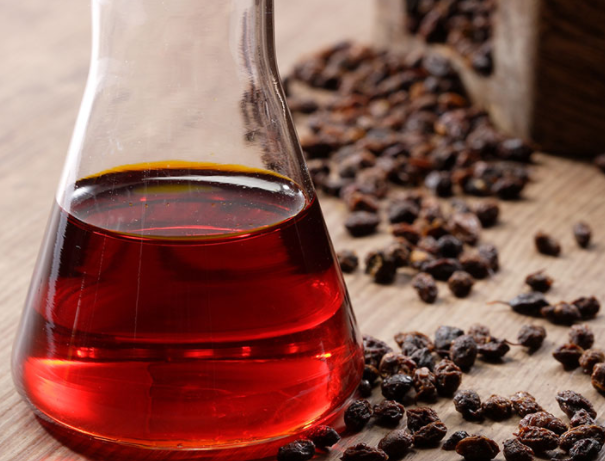
Key characteristics are as follows:
1. Rich in Omega-3 and Omega-6 Fatty Acids
Seed oil has an exceptionally high content of Omega-3 and Omega-6 fatty acids, which are highly beneficial for maintaining normal blood lipid levels, cardiovascular health, and reduced inflammation. In contrast with the berry oil, the value proposition of this oil underlines internal health benefits, and thus seed oil is suitable for clients who have their concerns related to heart and circulatory system support.
2. Abundant in Vitamin E
Sea buckthorn seed oil is rich in natural vitamin E, potent antioxidant protection assisting in preventing cellular aging while promoting skin barrier repair and maintenance. It is commonly claimed that skin health is replenished while protecting the harm sparked by free radicals.
3. Promotes Hair and Nail Health
Sea buckthorn seed oil is widely used in hair and nail care products. It can help improve dryness, brittleness, and breakage, providing essential nutrients that enhance shine, strength, and overall resilience of hair and nails.
4. Supports Skin Barrier Function
Though its anti-inflammatory properties are not as strong as berry oil, seed oil contributes to the reinforcement of skin barriers, the retention of moisture, and the improvement of the softness of the skin. In the long-hand, it forms the bulk of a daily adjunct for all kinds of skins and especially, when they are dry or sensitive.
Sea buckthorn seed oil is generally more ideal for cardiovascular health issues, hair, and nail care, and long-term maintenance of skin. Those who focus on balancing internal well-being with care for the skin also find it natural and effective.
Part 3. Detailed Comparison: Sea Buckthorn Berry Oil vs Seed Oil
Sea buckthorn oil comes in two main forms, berry oil (from the fruit pulp and skin) and seed oil (from the seeds). While both are derived from the same plant and offer health and skincare benefits, their composition and applications are quite different. Here’s a comprehensive comparison:
1. Source and Extraction
Berry Oil: Obtained from the fruit pulp and skin of sea buckthorn, thus conserving the high content of carotenoids, vitamin C, and Omega-7 fatty acid of the fruit. However, being from the outer part of the fruit, it is naturally more abundant with compounds facilitating skin healing and antioxidant activity.
Seed Oil: The oil is created from the seeds by a method of cold pressing. It contains a different set of supportive nutrients like Omega-3 and Omega-6 fatty acids, and also vitamin E, that are meant for overall-maintenance of general health along with longevity of the skin.
2. Key Nutritional Composition
Berry Oil:
- Omega-7 fatty acids: Supports skin repair, elasticity, and wound healing.
- Vitamin C: Strong antioxidant, boosts immunity, and promotes collagen production.
- Carotenoids: Protect against free radicals and support skin and eye health.
Seed Oil:
- Omega-3 and Omega-6 fatty acids: Essential fatty acids that help regulate blood lipids, support cardiovascular health, and reduce inflammation.
- Vitamin E: Antioxidant that protects cells from aging and supports skin barrier repair.
3. Skin Benefits
Berry Oil: Best known for repairing and soothing the skin. It helps with hydration, reduces mild inflammation (like sunburn or redness), and promotes skin regeneration. Ideal for dry, sensitive, or damaged skin.
Seed Oil: Supports skin barrier function and long-term maintenance. Its antioxidant and moisturizing properties help retain skin hydration and strength but are less effective for immediate anti-inflammatory effects compared to berry oil.
4. Other Health Benefits
Berry Oil: Its anti-inflammatory and immune-boosting properties make it beneficial for external skin conditions, minor inflammation, and overall antioxidant support.
Seed Oil: Supports internal health, particularly cardiovascular health, and helps improve hair and nail strength. Its nutritional profile makes it suitable for daily wellness routines.
5. Usage
Berry Oil: Typically used topically in skincare products such as facial serums, creams, and lotions. Its utilization as a dietary supplement is practically non-existent, as the primary health benefits owed to berry oils are largely outward.
Seed Oil: Can be applied topically as well as internally. It is added to supplements or functional foods and any hair, nail, and skin care products.
| Feature | Berry Oil | Seed Oil |
| Source | Fruit pulp and skin | Fruit seeds |
| Key Nutrients | Omega-7, Vitamin C, Carotenoids | Omega-3, Omega-6, Vitamin E |
| Skin Benefits | Repairs damaged skin, hydrates, anti-inflammatory | Strengthens skin barrier, long-term antioxidant support |
| Other Health Benefits | Anti-inflammatory, immune support | Cardiovascular health, hair and nail nourishment |
| Usage | Primarily topical | Can be ingested or applied topically |
| Ideal For | Those focusing on skin repair and anti-inflammation | Those focusing on internal health and long-term skin maintenance |
Part 4. How to Choose the Right Sea Buckthorn Oil?
Although there are different parameters on which one can compare and contrast sea buckthorn oil, the most important perspective is based on one’s personal health and agreed usage. Every oil serves a different purpose; therefore, the focus on one thing will decide a future course and the benefits that will be derived.
1. Focused on Skin Repair, Anti-Inflammation, and Anti-Aging → Choose Berry Oil
Sea buckthorn berry oil is rich in Omega-7, vitamin C, and carotenoids, making it ideal for facial serums, skincare lotions, or targeted topical treatments.
- Helps improve dry, sensitive, or damaged skin.
- Reduces mild inflammation, such as sunburn or redness.
- Provides antioxidant support to slow skin aging and maintain softness and radiance.
2. Focused on Cardiovascular Health, Hair, and Nail Care → Choose Seed Oil
Sea buckthorn seed oil is high in Omega-3, Omega-6 fatty acids, and vitamin E, making it excellent for internal wellness and long-term skin, hair, and nail maintenance.
- Can be taken as a daily supplement or edible oil to support cardiovascular health.
- Helps improve dry, brittle hair and nails, enhancing strength and shine.
- Gently supports the skin barrier, making it suitable for long-term skin care.
3. Combined Use → Comprehensive Support
For those who want to address both topical skin care and internal health, you can apply berry oil to the skin while consuming seed oil internally.
- Berry oil for direct skin improvement.
- Seed oil for internal nutritional support, benefiting skin, cardiovascular health, hair, and nails.
Short Summary
Choosing the right sea buckthorn oil is simple once your goals are clear:
- For skin repair and anti-inflammation → Berry oil.
- For internal health and long-term maintenance → Seed oil.
- For overall wellness → Use a combination of berry and seed oils.
This approach ensures you can target specific needs while fully benefiting from the multiple nutrients found in sea buckthorn oil.
Final Thoughts
Sea buckthorn oil is a very versatile oil because it is derived from natural sources. Different sourcetypes of oils have different advantages. Berry oil being high in Omega-7 is more favorable for those who are interested in skincare because it promotes the rejuvenation of the skin layer by layer, providing antioxidants, and combating inflammation. Seed oil being high in Omega-3 and Omega-6 fatty acids is better for one interested in hair and nail care.
By understanding the differences shown in the comparison between sea buckthorn berry oil and seed oil, you will be in a good position to select the product that best meets your personal requirements, thereby offering you better benefits for health and beauty. Choosing the right oil allows you to enhance skin condition especially with the much-required nutrition support from within, making your daily regimen more holistic and effective.
Related Products
