
Sea Buckthorn Ingredients: A B2B Buyer’s Guide
Sea buckthorn is getting attention from food & beverage makers wanting unique fruit ingredients and supplement brands launching new product lines. However, the selection of sea buckthorn ingredients is not only a matter of price or nutritional claims. Juice, puree, powder and oil all have different properties, processing requirements and applications. The right one depends on the product, quality specifications and manufacturing process for B2B buyers. This guide provides details of the main ingredient formats, what to look for before buying and how to select suitable ingredients for commercial product development.

What Are the Main Types of Sea Buckthorn Ingredients?
Sea buckthorn berries can be processed into several ingredient formats. Each serves different formulation needs, so buyers should start by defining the final product rather than choosing an ingredient based on its name alone.
1. Sea Buckthorn Juice
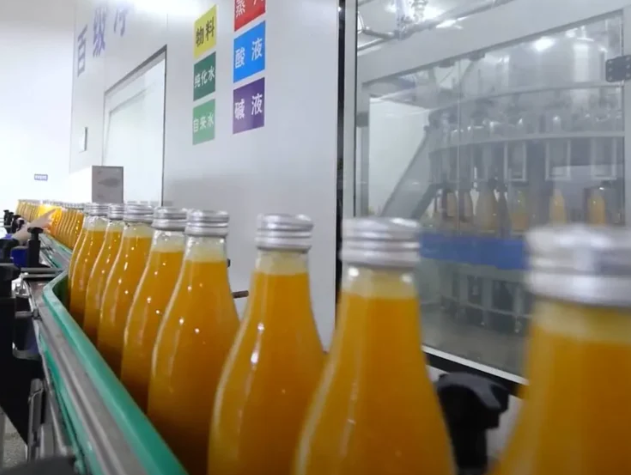
Sea buckthorn juice is used in fruit beverages, functional drinks and juice mixes. Its inherent tartness can help provide unique qualities for a beverage, but may need careful formulation to achieve the desired flavour.
When buying juice there are a number of things to take into account, such as: juice content, single strength or concentrated juice, ingredient list, soluble solids, acidity, method of processing and storage requirements. These details have an impact on the formulation and the planning of the production.
2. Sea Buckthorn Puree
The purees have a higher content of fruit pulp than the clarified juice and are appropriate for thicker drinks, fruit preparations and some functional foods. Mouthfeel, fill performance and product stability can be influenced by texture and suspended solids.
Ask before ordering about consistency of particle size of pulp content (if applicable) and whether separation may occur in storage. The puree can be processed on a new production line or mixed with other ingredients and pilot trials are useful.
3. Sea Buckthorn Powder
Powder can be added to dry drink mixes, nutrition blends, and some food recipes. What works best depends on how it was made. It also depends on whether the powder traits fit the target use.
For buyers, a few checks matter. Look at moisture level first. Then review how well it mixes in water or other liquids. Particle size is next. If a carrier is included, check those ingredients too. Finally, confirm the package helps block moisture.
A powder made for a dry mix might not behave the same in an instant drink. It may also differ in foods that hold more water.
4. Sea Buckthorn Oil
Sea buckthorn oil is used in some dietary supplements , cosmetic formulations and other products depending on its grade and intended use. Fruit pulp oil and seed oil may differ in fatty acid composition so should not be interchanged.
Determine the oil type, intended use, fatty acid composition, oxidation indicators and relevant purity and safety requirements. Also for supplement products ensure the ingredient grade and supporting documentation are appropriate for the target market.
Which Sea Buckthorn Ingredients Suit Different Industries?
The best ingredient depends on the product being developed and the role it needs to perform.
| Industry or product | Ingredient formats to evaluate | Key considerations |
| Fruit and functional beverages | Juice, puree, concentrate | Flavor, acidity, soluble solids, stability |
| Dry beverage and nutrition mixes | Powder | Moisture, dispersibility, particle size |
| Dietary supplements | Oil, powder, or specified fruit ingredients | Composition, dosage format, quality documentation |
| Fruit-based foods | Puree, juice, powder | Texture, processing compatibility, flavor |
| Private-label product ranges | Depends on the finished product | Packaging, formulation, MOQ, labeling requirements |
These are starting points rather than fixed rules. A formulation trial is needed to confirm performance under the intended processing and storage conditions.
What Specifications Should Buyers Check?
A product name or marketing description is not enough to establish whether an ingredient meets a manufacturer’s requirements. Request a technical specification sheet and a representative Certificate of Analysis (COA) before approving a supplier.
Check these five areas:
- Identity and composition: Confirm the ingredient format, raw material source, ingredient list, and any added carriers or processing aids that must be declared.
- Product-specific parameters: For juice, review acidity and soluble solids where relevant. For powder, check moisture and particle size. For oil, examine fatty acid composition and oxidation indicators.
- Microbiological and contaminant testing: Identify the limits applicable to the product and destination market, including relevant microbiological criteria and contaminant requirements.
- Traceability and consistency: Confirm lot identification, batch documentation, sampling procedures, and how changes in raw materials or processing are managed.
- Packaging and storage: Check container suitability, protection from light, oxygen or moisture where relevant, transport conditions, and the validated shelf life.
A COA should identify the batch tested and report results against defined specifications. Where a parameter is critical to product quality or regulatory compliance, buyers should confirm the test method and consider independent verification.
Requirements vary by ingredient type and destination market. For example, U.S. dietary supplement manufacturers are subject to applicable current Good Manufacturing Practice requirements under 21 CFR Part 111. Buyers should therefore evaluate the intended use and relevant regulatory framework instead of assuming that one set of documents covers every product category.

How to Select Ingredients for Commercial Product Development
A practical sourcing process can reduce formulation delays and costly changes after production begins.
Step 1: Define the finished product. Identify whether you are developing a ready-to-drink beverage, dry mix, supplement, or another food product. Specify the target market, expected serving format, and intended use.
Step 2: Match the ingredient to the formulation. Compare juice, puree, powder, and oil according to flavor, texture, composition, and processing compatibility. Ask the supplier for samples and technical documents before finalizing the choice.
Step 3: Test the ingredient under realistic conditions. Evaluate taste, mixing behavior, processing performance, and stability. For beverages and purees, check for sedimentation or oil separation where relevant. For powders, assess moisture sensitivity and dispersion.
Step 4: Confirm commercial requirements. Discuss order quantity, packaging, lead time, storage, shipping conditions, and batch-to-batch specifications. A sample that performs well in the laboratory should still be validated in a pilot or production-scale process.
Step 5: Review documentation for the target market. Confirm labeling information, ingredient declarations, safety documentation, and any certification requirements applicable to the product. Do this before approving packaging or committing to a large order.
Working with a Sea Buckthorn Ingredient Manufacturer
For brands and food businesses, ingredient sourcing can be more efficient when the supplier also understands formulation and manufacturing requirements. Youhero offers sea buckthorn juice, puree, powder, and oil, alongside OEM and ODM services for products such as beverages, capsules, tablets, and pastes.
With OEM production, buyers can provide an established formula and product specifications. ODM support may be more suitable when a company needs help developing a formula, selecting a product format, or planning customized packaging. In either case, buyers should confirm the specific capabilities, documentation, minimum order quantity, and project timeline for their product.
Explore Youhero’s sea buckthorn products and customization services to discuss ingredient options and manufacturing requirements.
Conclusion
Selecting sea buckthorn ingredients is a technical and commercial decision. Juice, puree, powder, and oil serve different purposes, and the right option depends on formulation requirements, quality specifications, processing conditions, and target-market rules. By reviewing technical documents, testing samples, and confirming supply requirements before ordering, B2B buyers can make more informed sourcing decisions and develop products with fewer avoidable delays.
B2B buyers can make more informed sourcing decisions and develop products with fewer avoidable delays.
Related Products


