
Sea Buckthorn Oil Capsules: What Supplement Brands Need to Specify
Two suppliers can quote “sea buckthorn oil capsules” at very different prices, and both may be telling the truth. The phrase hides several decisions: which part of the berry the oil comes from, how it was extracted, and how the capsule is filled. Leave those open and you invite mismatched samples, label errors and expensive rework. Define them early and sourcing becomes far simpler. This guide covers what to specify, how to verify it, and where claims need care, so your first brief works.
Start With the Oil: Seed, Pulp, or a Blend?
Sea buckthorn berries give two chemically distinct oils, and a recent review in Foods treats seed oil and pulp oil as separate ingredients with different profiles. The numbers show how far apart they are. In a Mongolian Journal of Chemistry study co-authored by a researcher at Germany’s Max Rubner-Institut:
- Seed oil was dominated by linoleic acid (36.9%) and linolenic acid (31.1%).
- Pulp oil was dominated by palmitoleic acid (32.9%) and palmitic acid (29.2%).
This split matters commercially because blends are hard to spot by eye. One trade analysis proposed that genuine pulp oil should show more than 20% palmitoleic acid and under 2% linolenic acid, a simple marker check for mixing. So your spec should name the oil type and the marker fatty acids that prove it. Everything below assumes you have made that choice first.

Seven Specs Every Brief Should Include
1. Raw material and origin
State the species (Hippophaë rhamnoides), plant part, region, wild or cultivated source, and any organic requirement. Origin is not cosmetic detail: a peer-reviewed review notes that oil composition can vary with plant origin, harvest time and the isolation method used.
2. Extraction method
Name the method, whether supercritical CO₂, cold pressing or solvent extraction, because it shapes your contaminant testing. If any solvent is involved, require residual-solvent results. Supercritical CO₂ is a common choice because the same review reports it works for both seed and pulp oils.
3. Active content, with a clear basis
Say whether figures are per 100 g of oil or per capsule, and write α-linolenic acid when that is what you mean; some studies report alpha- and gamma-linolenic acid together. For reference, Youhero’s seed oil capsules list at least 35 g linoleic acid, 27 g linolenic acid and 70 mg vitamin E per 100 g, a floor that sits at or just below the published seed oil values above.
4. Capsule and fill
Specify softgel size, fill weight, capsules per bottle and shell material. Bovine gelatin, fish gelatin and plant-based shells open or close different markets, such as halal or vegetarian.
5. Serving logic
Make the numbers reconcile. If a label reads 5 ml per serving and each capsule holds 0.5 ml, a serving is ten capsules, and a 60-capsule bottle lasts six servings. Check this arithmetic before artwork goes to print.
6. Shelf life and oxidation
Seed oil is rich in polyunsaturated fatty acids. The same trade analysis found its degree of unsaturation about 2.5 times higher than pulp oil’s and linked this to instability. Ask for the stability data behind any shelf-life claim, an oxidation limit such as peroxide value, storage conditions and light-protective packaging.
7. Documents and testing scope
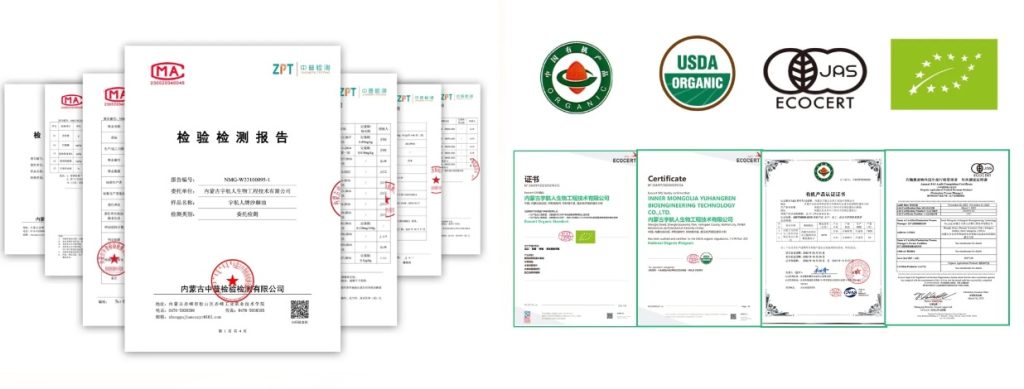
List what every batch must include: a certificate of analysis, heavy metals, microbial limits, pesticide screening, and residual solvents where relevant, plus certifications for your destination market.
Verify, Don’t Just Trust the COA
Under 21 CFR 111.70(e), supplement manufacturers must set finished-product specifications for identity, purity, strength and composition, and 111.75(c) requires verifying them on finished batches. FDA enforces this: warning letters have repeatedly cited firms for missing specifications, and one FDA letter states that a certificate of analysis cannot stand in for an identity test on a dietary ingredient.
For a brand, the practical lesson is to treat a COA as a starting document, not proof. Ask for batch-specific reports that name the test methods, request pre-shipment samples, and send a portion to an independent accredited lab. If you commission manufacturing, also get in writing who is responsible for each verification step.
Keep Label Claims Market-Specific
Supplier brochures often include benefit language that cannot simply be copied onto your label. In the US, a structure/function claim requires an FDA notification within 30 days of first marketing plus the standard disclaimer. FDA’s definition of disease includes cardiovascular disease and hypertension, so wording about cholesterol or blood lipids deserves legal review before it reaches packaging. Meeting FDA labeling rules also doesn’t settle FTC substantiation requirements, and the EU, Southeast Asia and the Middle East each apply their own rules. Check claims market by market with a regulatory adviser.
A Five-Step Workflow for Your First Brief
1.Run a pilot batch, then finalize the label.
2.Choose your target market and customer.
3.Fill in the seven specs above, starting with oil type.
4.Request samples and the full document set.
5.Verify independently, including identity markers.
FAQ
Is seed oil or pulp oil better for capsules?
Neither wins outright. Seed oil is rich in linoleic and linolenic acids, while pulp oil is higher in palmitoleic acid and carotenoids. Choose by product positioning, and write the choice into the spec.
Which documents should I request before ordering?
A batch COA with test methods, certifications for your market, stability data and contaminant results.
Can capsule size and packaging be customized?
Often, through OEM/ODM programs. Confirm minimum order quantities and lead times first.
Conclusion
Clear specifications turn “sea buckthorn oil capsules” from a vague request into a testable product. Define the oil type, extraction, content basis, capsule, serving logic, stability and documents; verify with independent data; and check claims for each market. For a reference point, review Youhero’s sea buckthorn seed oil capsules or ask about OEM/ODM customization to request a spec sheet and samples.