
Sea Buckthorn Oil Oxidation: How to Check Quality and Keep It Fresh Longer
Sea buckthorn oil has a lot going for it. It carries unsaturated fatty acids, vitamin E and the strong orange color that comes from carotenoids. The trouble is that those same features make it easy to spoil. Give the oil some air, light or warmth and it can turn rancid, fade, and lose the very compounds buyers are paying for. Below, I’ll go through why this happens, which tests are actually worth looking at, and what you can do from the factory floor to the storage shelf to slow it down.
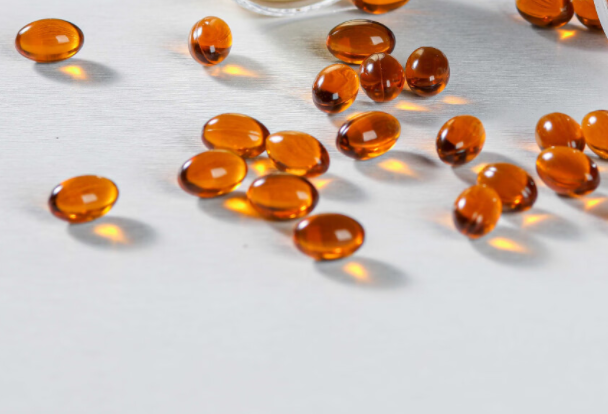
Why This Oil Oxidizes So Easily
It comes down to chemistry. The more double bonds a fatty acid has, the more readily it reacts with oxygen, and sea buckthorn oil has plenty of them.
One thing trips up a lot of buyers: “sea buckthorn oil” is really two different products. Seed oil and pulp oil come from different parts of the berry, and they age in different ways.
| Seed oil | Pulp (fruit) oil | |
| Main fatty acids | Linoleic and α-linolenic (polyunsaturated) | Palmitic and palmitoleic (more saturated or monounsaturated) |
| Usual color | Golden yellow to orange | Deep orange to red |
| Key actives | Tocopherols, polyunsaturated fats | Carotenoids, palmitoleic acid |
| Main risk | Rancidity from lipid oxidation | Fading from carotenoid loss, plus lipid oxidation |
Yang and Kallio at the University of Turku have published a good deal on this difference in fatty acid profiles. The practical point is simple. Seed oil is rich in polyunsaturated fats, so it reacts to oxygen quickly. Before you buy or store anything, confirm which oil you have, because the storage needs and quality benchmarks are not the same.
What Causes Sea Buckthorn Oil to Oxidize?
Sea buckthorn oil oxidation rarely results from a single factor. Several conditions can accelerate the process, affecting oil quality, color, and shelf life.
Oxygen Exposure
Oxygen reacts with susceptible fatty acids, gradually forming oxidation products. More air inside a container can increase oxygen exposure, especially when the container is repeatedly opened. Proper sealing and minimizing contact with air help slow oxidation.
Light Exposure
Ultraviolet (UV) and visible light can trigger reactions that accelerate oxidation and degrade sensitive components, including carotenoids responsible for sea buckthorn oil’s characteristic color. Opaque or light-protective packaging helps reduce exposure during storage and transportation.
Elevated Temperatures
Heat accelerates many chemical reactions involved in oil oxidation. A commonly cited rule of thumb suggests reaction rates may double with every 10°C increase, although actual rates depend on the oil and storage conditions. Avoiding prolonged exposure to elevated temperatures helps preserve quality.
Metal Contamination
Trace metals, particularly iron and copper, can catalyze oxidation reactions. Contact with unsuitable equipment or metal residues may compromise oil stability. Appropriate equipment materials, cleaning procedures, and process controls help minimize this risk.
Processing Conditions
Excessive heat or prolonged exposure to air during extraction and subsequent processing may accelerate oxidation. Controlled processing temperatures and careful handling can help preserve oil quality, although the extraction method alone does not determine oxidative stability.
Raw Material Condition
Oxidation can begin before extraction. Seeds or berries stored under unsuitable conditions may already have deteriorated before processing. Proper raw material handling, drying, and storage help reduce the risk of compromised oil quality.
Signs Your Sea Buckthorn Oil Has Oxidized
Your senses are a useful first filter:
- Smell: a paint-like, metallic, or stale-nut odor
- Color: noticeable darkening or fading compared with the previous batch
- Taste or feel: bitterness, or an unusually thick texture
Keep in mind that sensory changes usually show up only in the middle to late stages of oxidation. By then, quality has already dropped. Laboratory indicators catch problems earlier.
Key Quality Indicators: How to Assess Sea Buckthorn Oil
Oxidation unfolds in stages, so no single test tells the whole story. Use several together.
Peroxide Value (PV): Early-Stage Oxidation
PV measures primary oxidation products (hydroperoxides). A low PV suggests a fresh oil. The Codex Alimentarius standard for fats and oils not covered by individual standards (CXS 19-1981) sets maximum PV at 10 meq active oxygen/kg for refined oils and 15 meq/kg for cold-pressed and virgin oils. Note that PV rises and then falls as hydroperoxides break down, so a low PV alone can mislead.
p-Anisidine Value and TOTOX: Secondary Oxidation
The p-anisidine value (p-AV) detects aldehydes, the secondary products responsible for off-flavors. Combining both gives the TOTOX value, calculated as 2 × PV + p-AV. It reflects the oil’s overall oxidation history and is widely used in the edible oil industry.
Acid Value: Freshness and Hydrolysis
Acid value shows how many free fatty acids have formed. Codex lists maximums of 0.6 mg KOH/g for refined oils and 4.0 mg KOH/g for cold-pressed and virgin oils. High values point to poor raw materials or moisture exposure.
Carotenoids and Tocopherols: Your Antioxidant Reserve
These natural compounds protect the oil, and they are consumed as oxidation proceeds. Declining levels across a shelf-life study are an early warning that protection is running out. Request results for each batch.
Fatty Acid Profile: Authenticity and Consistency
Gas chromatography confirms that the oil matches the expected seed or pulp profile. It also helps reveal adulteration with cheaper oils.
Oxidative Stability Tests
Accelerated tests such as the Rancimat method estimate how long an oil resists oxidation under heat and airflow. They are useful for comparing suppliers and formulations.
How to Read a Certificate of Analysis (COA)
A reliable COA should include:
- Batch or lot number matching your shipment
- Test methods (for example, AOCS or ISO references)
- PV, p-AV, and acid value results
- Fatty acid profile and carotenoid/tocopherol data
- Testing date, and ideally the lab’s accreditation (such as ISO/IEC 17025)
Be cautious of generic COAs that are not tied to a batch.
Note: limits vary by standard, market, and end use. Always check the requirements of your target region.
How Processing and Extraction Affect Stability
How the oil is made shapes how long it lasts.
- Cold pressing avoids high heat and preserves natural antioxidants, though it may leave more impurities.
- Supercritical CO₂ extraction operates at low temperatures with little oxygen, which helps retain carotenoids.
- Solvent extraction and refining can improve clarity and reduce free fatty acids, but may strip some beneficial compounds.
- Nitrogen blanketing during filling and storage limits oxygen contact at every stage.
Ask suppliers which method they use and why. A transparent answer is a good sign.
How to Protect the Shelf Life of Sea Buckthorn Oil
Good protection combines packaging, storage, and handling.
| Stage | Recommended practice | Why it matters |
| Packaging | Dark glass or aluminum, nitrogen flushing, minimal headspace | Blocks light and oxygen |
| Storage | Cool, dark, tightly sealed | Slows reaction rates |
| After opening | Reseal promptly, use within a defined period | Limits repeated oxygen exposure |
| Transport | Avoid heat spikes and long warehouse delays | Prevents hidden damage |
| Inventory | First in, first out | Reduces aging stock |
Natural antioxidants such as mixed tocopherols or rosemary extract can extend stability. Check that they are permitted in your target market and product category.
How to Choose a Reliable Sea Buckthorn Oil Supplier
Prevention starts at purchase. Evaluate suppliers on traceability, extraction method, third-party testing, stability data, packaging, and relevant certifications.
Questions to ask before you buy:
- Is this seed oil or pulp oil, and where is the raw material grown?
- How is it extracted and stored?
- Can I see a batch-specific COA with PV, p-AV, and acid value?
- What stability or shelf-life data do you have?
- What packaging and nitrogen protection do you use?
- Can you provide samples and customized specifications?
Youhero Group offers a sea buckthorn seed oil for supplement and related applications.