
Sea Buckthorn Tea vs Herbal Tea: What Makes It Different?
Go on and browse the herbal tea section at some specialty tea shop, you’ll likely spot something you haven’t had yet—a bright orange red infusion, sitting alongside peppermint and chamomile. That’s sea buckthorn tea, and it kinda makes you wonder, is it just another herbal tea, something else entirely? The quick answer is, both. Sea buckthorn tea technically falls under the herbal tea category, but the nutrient makeup, the taste character, and those putative functional perks tend to separate it from the usual classics. Here’s how it actually compares.
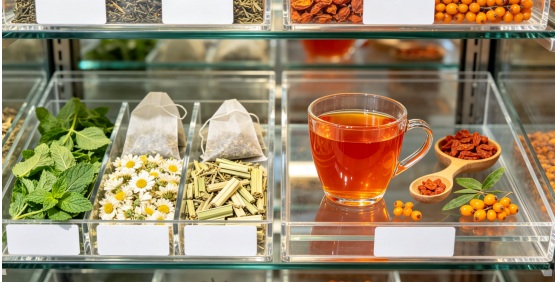
Is Sea Buckthorn Tea Considered a Herbal Tea?
A herbal tea, also known as”tisane,” is any infusion that has no leaves of the Camellia sinensis plant, which is the origin of authentic teas such as green, black and Oolong. Peppermint, chamomile, and lemongrass are all part of this category, as does sea buckthorn tea made from leaves or the berries of Hippophae rhamnoides plant.
In terms of classification, sea buckthorn tea can be described as an herbal tea. The only thing that makes it different is the what it is used for. The majority of herbal teas are created to provide flavor or a gentle relaxing. Sea buckthorn tea, by contrast, is designed around an incredibly dense nutrition profile. That is where the true difference in taste and quality start.
Nutritional Comparison: Sea Buckthorn Tea vs Classic Herbal Teas
The most obvious distinction is evident in the data. Sea buckthorn berries have around 10 times higher levels of vitamin C than the orange variety, which is a level that surpasses that of chamomile, lemongrass, and mint generally provide. Vitamin C isn’t just an interesting statistic because it powers white blood cells, which is the body’s main defense against viruses and bacteria.
Sea buckthorn also contains an essential fatty acid that is scarce in the world of plants. Omega-7 fatty acids and antioxidants such as vitamin E in sea buckthorn nourish the skin and promote elasticity — a chemical profile that traditional herbal teas do not contain, as they rely heavily on volatile aromatic oils instead of fat acids to produce their effects.
Flavonoids are another layer. The latest research into the sea leaf tea from buckthorn suggests bioactive substances that can help regulate the metabolism of lipids and presenting it as an alternative that is being researched in conjunction with conventional approaches to lowering cholesterol. In short, where the typical herbal tea is made to provide scent and cooling effects, sea buckthorn tea performs more as a nutrient-rich beverage which is more similar to what’s known as”functional herbal tea. “
Taste & Sensory Differences
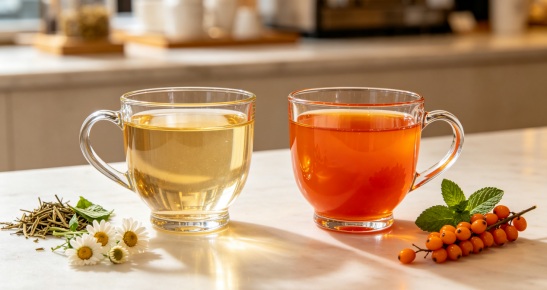
The sensorial feel is just as distinct as the nutrition. Classic herbal teas tend to drift toward a soft, floral, or minty kind of profile, with an easy-drinking character thats light and calm. Sea buckthorn tea goes in a different direction — tangy, fruit-forward flavor and a naturally vivid orange-red hue, that is instantly recognizable once its in the cup.
Processing is a factor here as well. The teas made from sea buckthorn leaves which undergo fermentation, produce an edgier, reddish-brown liquid that has a smoother, more round texture, more similar to a lighter black tea than the typical tea called tisane. This distinct flavor is a part of the reason that sea buckthorn tea is more likely to be an exclusive selection on menus of specialty teas instead of blending into the background like most herbal blends tend to do.
Caffeine Content: A Common Point of Confusion
This is pretty much where shoppers get stuck the most. Most of the old-school herbal teas, like chamomile peppermint, rooibos, usually have zero caffeine already, because they don’t include the Camellia sinensis leaf at all. Sea buckthorn tea does not follow this rule in the same way. A straight berry infusion is often caffeine-free, yes. However, when it’s a fermented, leaf-style version, it may still hold a small natural caffeine amount, generally way under green or black tea, but not totally gone.
If you’re sensitive to caffeine, it’s a good idea to look at the exact product details instead of just assuming “herbal tea” equals caffeine-free, because sea buckthorn is one of those little exceptions that people miss.
Health Benefits: Where Sea Buckthorn Tea Stands Out
Traditional herbal teas build their reputation by doing the same familiar, well established things, like chamomile for sleep, peppermint for digestion, and lemongrass for that calming vibe. But sea buckthorn tea, it covers another lane.
What really stands out is immune support, mostly because it has this big, outsized vitamin C amount, and it comes along with antioxidant compounds too. Lately there’s also more buzz about cardiovascular relevance, in the sense that tea rich in bioactive compounds may help regulate lipid metabolism. That’s looking like a promising track in alternative therapy research, especially when we’re talking about high cholesterol, so it feels less like purely soothing herbal blends and more like something with broader reach. And on top of that, people keep pointing to skin related benefits, tied to omega-7 plus those antioxidant helpers, which kinda rounds out the whole picture.
That said, context matters. Much of this research is still developing, and sea buckthorn tea isn’t a substitute for medical treatment. It’s also worth noting that in higher amounts, sea buckthorn may interact with blood pressure medications, blood thinners, or diuretics, so anyone on regular medication should check with a doctor before making it a daily habit — a precaution that rarely applies to something as mild as chamomile.
Which One Should You Choose?
The right choice really depends on what you’re drinking tea for:
If you’re trying to chill out, or basically get support for sleep, then classic herbal teas like chamomile are the better bet.
If you want a steady nutrient lift, or some immune support, sea buckthorn tea has the clearer advantage, it’s mostly about vitamin C plus a really strong antioxidant profile.
And if you’re hunting for something a bit different, like on the menu, or just to stand out on the shelf, sea buckthorn tea tends to hit harder—there’s that tangy flavor and the bright color, it almost feels naturally eye-catching compared with usual herbal blends.
Also, there’s no rule that says you have to pick a single cup forever. Many tea drinkers rotate between the two — sea buckthorn tea for daytime nourishment, a classic herbal blend for evening wind-down — building a routine that covers both function and relaxation.
Sea buckthorn tea sort of sits right in the herbal tea family, but it does a different job in the cup. Where the classics like chamomile and peppermint are made for flavor, and a easy kind of relaxation, sea buckthorn tea shows up with a more dense nutritional profile, plus that unmistakable tangy bite, and also functional perks that feel like they go past a cozy night-time ritual. If you’re one of those tea drinkers who’s always trying new things, or if you’re a business trying to broaden a herbal tea lineup, sea buckthorn tea gives a genuinely other kind of proposition, that’s worth thinking over.