
Sea Buckthorn vs Blueberry: Which Superfruit is Better for Your Health?
In the pursuit of health and wellness, “superfoods” always find themselves under the spotlight. Among the many superfruits out there, Sea Buckthorn and Blueberry are undoubtedly two of the most eye-catching “star players.”
Blueberry, with its rich content of anthocyanins and powerful antioxidant capacity, has long been hailed as the “King of Natural Antioxidants.” On the other hand, sea buckthorn has become a rising favorite in the nutritional world in recent years, thanks to its staggering Vitamin C levels, rich profile of unsaturated fatty acids, and remarkable skincare benefits.
So, when we compare Sea Buckthorn vs Blueberry, which fruit actually comes out on top for health? Which one packs a higher nutritional punch? And more importantly, how should you choose between them based on your own personal needs? This article will dive deep into the data to give you the ultimate answer.

What is Sea Buckthorn?
Sea buckthorn is a resilient deciduous shrub that bears dense clusters of bright orange berries. It primarily grows in harsh climatic regions, including parts of China, Europe, Russia, and the surrounding areas of the Himalayas.
It is owing to its constant struggle against the elements of tough climate, such as freezing conditions, barren soil and high levels of ultraviolet light exposure, that sea buckthorn possesses such highly energetic properties. Throughout many centuries, sea buckthorn has been used as a ‘natural medicine store’ in Asian and European traditional medicine practices. Presently, based on rigorous scientific studies, sea buckthorn is extensively applied in many industries.
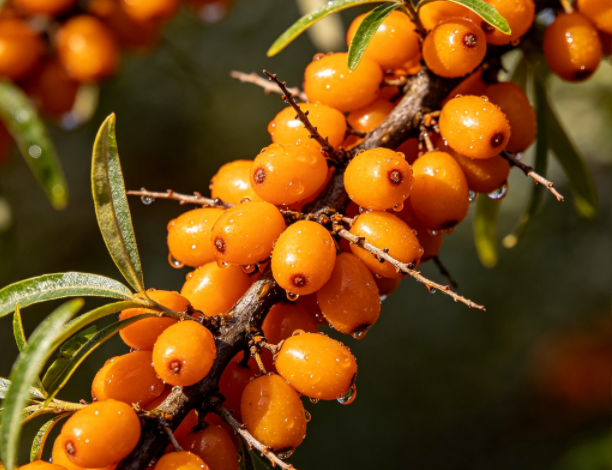
Core Nutritional Profile of Sea Buckthorn
Compared to ordinary fruits, sea buckthorn’s greatest competitive advantage lies in its incredibly high nutritional density, deriving value from both its juice and its natural oils.
Every single tiny sea buckthorn berry acts as a natural, comprehensive nutrient reservoir:
The Golden Antioxidant Trio: It is packed with ultra-high concentrations of Vitamin C (hailed as the “King of Vitamin C”), Vitamin E, and Vitamin A precursors (beta-carotene). These three work synergistically to double the anti-aging effects.
A Unique Full-Spectrum of Unsaturated Fatty Acids: Sea buckthorn is one of the extremely rare plant sources in nature that simultaneously contains the entire suite of Omega-3, 6, 7, and 9 fatty acids.
The Rare Omega-7 (Palmitoleic Acid): This is sea buckthorn’s ultimate selling point. As a crucial component of human skin and mucous membranes, Omega-7 is highly acclaimed by both the medical and beauty industries for its ability to deeply repair the skin barrier, reduce inflammation, and protect digestive tract health.
What is Blueberry?
Blueberries are a favorite of everyone owing to their delectable flavor, which is at once sweet and tangy, and their highly nutritious profile. Today, they rank among the best of super berries on account of their numerous qualities.
The essence of blueberry is reflected in its deep blue-violet color, which results from the presence of an extremely high amount of anthocyanins. This group acts as a powerful natural free-radical scavenger and imparts antioxidant and eye protection properties to blueberries.
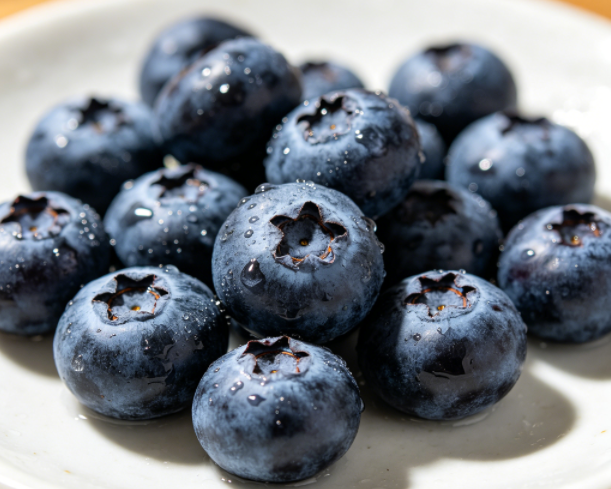
Core Nutritional Profile of Blueberry
While sea buckthorn leans toward “intense repair,” blueberries lean more toward “daily protection”:
Anthocyanins and Polyphenols: The antioxidant capacity of blueberries ranks among the highest of all fruits. It offers significant help in protecting the retina, relieving eye fatigue, and improving memory and brain function.
Micronutrients and Dietary Fiber: Packed with Vitamin K, Vitamin C, manganese, and a generous amount of dietary fiber, blueberries help promote healthy bowel movements and maintain cardiovascular health.
Low Fat, Low Calorie, Effortless Enjoyment: Unlike sea buckthorn, which is naturally rich in plant oils, blueberries are extremely low in fat and bursting with water content. They require zero complex processing, making them the perfect daily meal replacement or casual snack for anyone managing sugar intake or trying to lose fat.
Sea Buckthorn vs. Blueberry: Nutritional Comparison
From the perspective of their names as “superfruits,” blueberries and sea buckthorns are comparable. But once you consider the elements of their nutrition profiles in detail, it turns out that they have fully realized themselves in entirely distinct “trees.”
| Nutritional Dimension | Blueberry | Sea Buckthorn | Winner / Core Advantage |
| Vitamin C | ⭐⭐ (Moderate) | ⭐⭐⭐⭐⭐ (Extremely High) | Sea Buckthorn (Several times higher than traditional citrus fruits) |
| Anthocyanins / Polyphenols | ⭐⭐⭐⭐⭐ (Extremely High) | ⭐⭐ (Moderate) | Blueberry (The irreplaceable ace of the antioxidant world) |
| Omega Fatty Acids | ❌ (Trace amounts) | ⭐⭐⭐⭐⭐ (Full Spectrum 3/6/7/9) | Sea Buckthorn (A rare plant-based source of unsaturated fatty acids) |
| Dietary Fiber | ⭐⭐⭐⭐ (High) | ⭐⭐⭐ (Moderate) | Blueberry (Better suited for daily gut health) |
| Vitamin K | ⭐⭐⭐⭐ (Rich) | ⭐⭐ (Low) | Blueberry (Supports bone and blood clotting health) |
| Taste & Palatability | Sweet and tangy, loved by all ages | Extremely sour and slightly bitter; requires processing to consume | Blueberry (The perfect daily fresh fruit snack) |
Sea Buckthorn vs. Blueberry: Who Wins in Nutrition
1. Vitamin C: Sea Buckthorn Wins by a Landslide
Vitamin C is the ultimate “engine” driving our immune system and collagen production. In this category, sea buckthorn is the undisputed king. Numerous clinical studies show that its Vitamin C content utterly dwarfs that of traditional Vitamin C powerhouses like oranges and kiwis. If your goal is to rapidly boost your immunity or pursue skin-brightening benefits, sea buckthorn holds an overwhelming advantage.
2. Anthocyanins: Blueberries are Irreplaceable
With the title of King of Vitamins C held by the sea buckthorn, blueberries are the “King of Anthocyanins.” Their blue-purple skin color represents the purest manifestation of anthocyanins. This ability of anthocyanins to be effective carriers of antioxidants through the blood-brain barrier makes blueberries irreplaceable in terms of antioxidant action, brain rejuvenation, cognitive performance improvement, and cardioprotection.
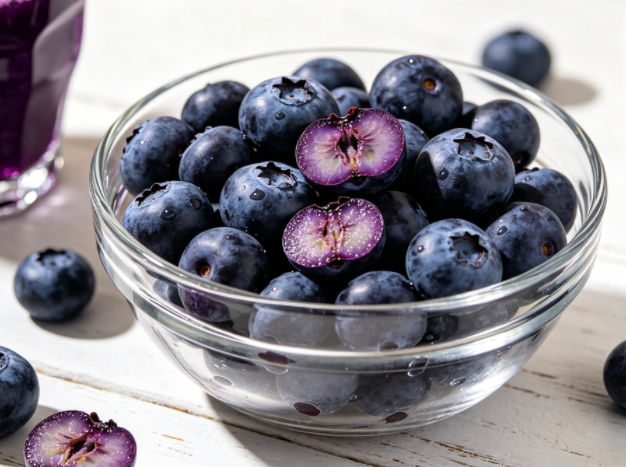
Sea Buckthorn vs Blueberry: Who Rules the Antioxidant?
The Blueberry Advantage (Focus: Brain & Blood Vessels)
Blueberry relies primarily on its star water-soluble antioxidant, anthocyanins. Anthocyanins possess an incredible ability to penetrate the blood-brain barrier and the blood-retinal barrier.
Because of this, blueberry is exceptionally skilled at protecting the retina, relieving eye strain, and blocking free radicals from causing oxidative damage to brain nerve cells. The medical community frequently refers to blueberries as “youth fuel for the brain.”
The Sea Buckthorn Advantage (Focus: Full-Body Repair & Anti-Inflammation)
Sea buckthorn makes up its own “full-spectrum, complex antioxidant system,” consisting of Vitamin C + Vitamin E + carotenoids + flavonoids + the super-antioxidant SOD enzyme. As it includes both water-soluble and fat-soluble antioxidants, it doesn’t just neutralize free radicals from the surface; it penetrates into cell membranes for full cellular restoration. In this way, it gains considerable advantages in terms of anti-inflammatory action (pharyngitis, gastritis, etc.).
The Verdict: If you want to keep your mind sharp and protect your eyesight, choose blueberry. If you want to fight inflammation and boost overall cellular vitality, choose sea buckthorn.
Sea Buckthorn vs Blueberry: Which One is Better for Skin Health?
In recent years, sea buckthorn oil has become the darling of international high-end skincare, all thanks to its unique fatty acid profile.
Sea Buckthorn (Plump on the Outside, Hydrated from Within)
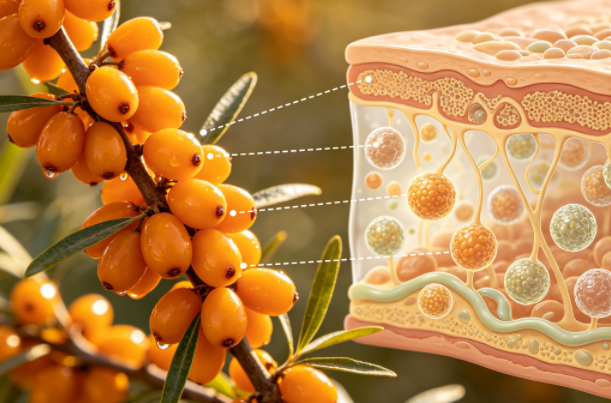
Sea buckthorn’s contribution to the skin is nothing short of “Godfather-level.” This is due to its incredibly rare Omega-7 (palmitoleic acid) content. Omega-7 is a vital structural component of human skin and mucous membranes.
Whether consuming sea buckthorn puree internally or applying sea buckthorn oil topically, it acts like “cement” to rapidly repair a damaged skin barrier and lock in moisture. Combined with its naturally high concentration of Vitamin E, its ability to tackle dry skin, sensitive skin, post-procedure redness, and wrinkle repair for mature skin is akin to a “magic eraser.”
Blueberry (Internal Anti-Aging Defense)
Blueberry acts as an “invisible sun umbrella” for your skin. Its anthocyanins work from the inside out to round up and neutralize free radicals generated by UV rays and pollution, preventing collagen degradation and glycation (the process that causes skin to lose elasticity).
While it may not offer the immediate skin hydration and barrier repair that sea buckthorn does, it is an excellent internal supplement choice for long-term skin elasticity and brightening dull complexions.
The Verdict: When it comes to deep skin hydration and barrier repair, sea buckthorn wins hands down.
Sea Buckthorn vs Blueberry: Which One Should You Eat During Weight Loss?
Both fruits are low in calories and offer exceptional nutrient density, but they aid weight loss through entirely different mechanisms:
Blueberry (Sugar Control & Zero Guilt)
Blueberries are rich in soluble dietary fiber (pectin) and have a very low Glycemic Index (GI). This means eating blueberries effectively slows down sugar absorption in the gut, preventing spikes and crashes in insulin, which in turn reduces fat accumulation. Bursting with water and extremely low in calories, they are the perfect “guilt-free” fresh snack when cravings hit during a fat-loss phase.
Sea Buckthorn (Satiety & Appetite Control)
While sea buckthorn is not a “low-fat” fruit, the fats it does contain are entirely unsaturated fatty acids (healthy plant oils). Nutritional research indicates that once these premium fatty acids enter the gut, they effectively stimulate the body to secrete “satiety signals” (such as CCK and GLP-1), sending a message to the brain that “I am full.” It curbs your cravings for high-calorie foods at the very source, making it excellent for pre-meal portion control.
Sea Buckthorn vs Blueberry: Taste and Practical Realities
After comparing their nutrition, we must face the most down-to-earth, practical question: Do they actually taste good? And what is the most scientific way to consume them? This directly determines whether you can actually stick with it.
Blueberry
Flavor Profile: A perfect balance of sweet and tangy, thin-skinned and juicy, with a naturally refreshing berry aroma. It boasts a 99% crowd-pleasing acceptance rate.
Convenience Factor: Extremely high. Just wash and eat. Fresh blueberries are readily available year-round in almost any supermarket.
Best Way to Consume: Eat 100–150 grams fresh and raw daily, or toss them directly into oatmeal or sugar-free yogurt. Blending frozen blueberries into a smoothie is also an excellent option.
Sea Buckthorn
Flavor Profile: What does sea buckthorn taste like? Well, it carries an intensely sharp natural sourness (so acidic it can make your teeth sensitive), accompanied by slight bitterness, astringency, and a unique aroma of plant oils. Almost no one can tolerate eating fresh sea buckthorn berries raw.
Convenience Factor: Moderate. Because the berries are incredibly delicate and mostly grow in alpine regions, fresh whole fruits are rarely sold in local supermarkets.
Main Market Forms & How to Consume
Sea Buckthorn Juice: This is the most popular, “lazy-user-friendly” health beverage on the market. It is typically crafted by blending pure sea buckthorn puree with water, fructose, honey, or other fruit juices (like apple or pear). This process dramatically rounds off the fruit’s sharp, astringent edge, leaving a rich citrus flavor and that distinct sea buckthorn aroma.
Daily Consumption: Just open and drink. It makes for an excellent chilled, refreshing summer drink to cut through greasiness, or a healthy alternative to high-sugar, high-calorie bubble teas and sodas. For those monitoring sugar intake, it is highly recommended to look for “low sugar” or “no added sugar” versions.
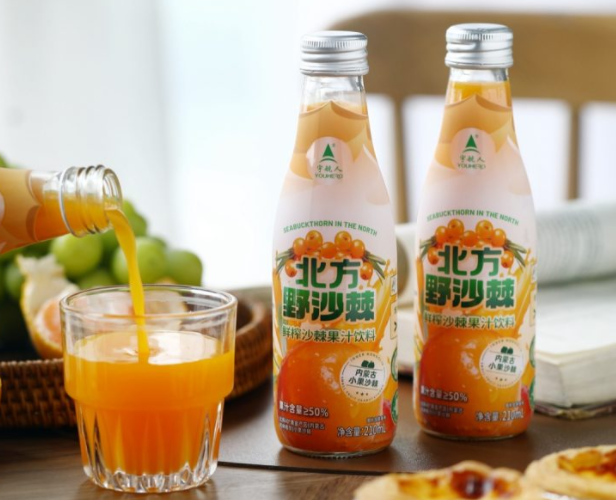
Sea Buckthorn Puree: This is made by cold-pressing the fresh whole fruit along with its skin and seeds, preserving the entire spectrum of its pulp-and-oil nutrition.
Daily Consumption: Take 20–30 ml of the pure puree and dilute it with 5 to 10 times its volume of warm water. It is strongly recommended to mix in a spoonful of honey or blend it into apple juice or sparkling water; this completely transforms the taste into something quite amazing.
Sea Buckthorn Seed Oil / Fruit Oil Capsules: These extract the most concentrated, fat-soluble Omega fatty acids from the fruit. It is perfect for those who cannot tolerate sour flavors, anyone looking for maximum efficiency, or business travelers who need something convenient on the go.
Conclusion
Sea buckthorn and blueberry are not absolute opponents, but rather “allies” in the realm of health, with each fruit blessed with its own individual strengths.
If you wish to have an easy and tasty way to receive a healthy boost of antioxidants, safeguard your vision, and give your brain some extra power, then the easily found, yummy, sweet, and sour blueberry is what you need.
But if for now you have some troubles with your skin barrier, you have inflammation issues, lack of immunity, or simply wish to try the fantastic Omega-7 on your own, then sea buckthorn (either in puree or drink form, and even in its oils) is surely worth consideration.
As there are no absolutely perfect foods, so the real superfood is only that which suits you the most.
Have you ever tried sea buckthorn products before? Do you prefer the familiar, sweet-and-tangy flavor of fresh blueberries, or are you ready to take on the hardcore power of sea buckthorn? If you are ready to explore the benefits of sea buckthorn, be it through juices, purees, teas, oils, capsules, or fruit leathers, Youhero is here to provide you with all-natural, premium sea buckthorn solutions, making it easier than ever to seamlessly weave this superfruit into your daily wellness routine.
Related Products


