
Why Is Sea Buckthorn Orange? The Role of Carotenoids Explained
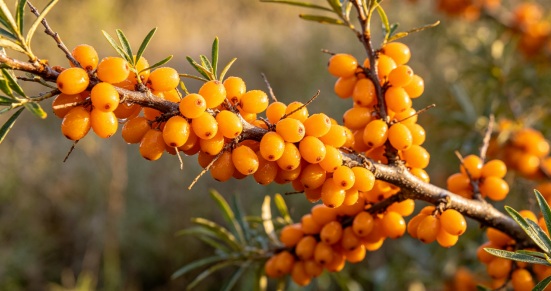
Sea buckthorn grabs your attention fast. Those berries are a vivid orange, almost as if there is a soft light inside them – thanks to carotenoids, which come from carotenoids pigment family found in carrots and pumpkins and directly correlate to its nutrient density. Understanding what creates this hue helps explain why sea buckthorn looks the way it does.
What Gives Sea Buckthorn Its Orange Color?
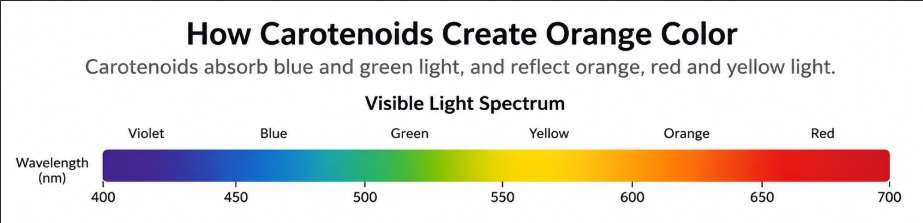
The sea buckthorn color comes predominantly from carotenoids — the fat-soluble class of plant pigments, which includes beta-carotene and zeaxanthin as well as lycopene. They absorb green and blue light and reflect red, orange and yellow wavelengths. This is what our eyes see as the bright orange tone of the fruit.
Sea buckthorn is thought to be one of the most carotenoid-rich plants; that’s the reason why its color is far more vibrant than standard red or purple berries which depend on a distinct pigment group (anthocyanins) in place of. Beta-carotene is one of the carotenoids that dominate sea buckthorn, is also used as a precursor of vitamin A within the human body – which means that the pigment and nutritional value are in fact identical chemical.
Why Do Sea Buckthorn Produce Carotenoids?
Carotenoids don’t just appear attractive, they play a vital role in the plant. Sea buckthorn thrives in the most harsh conditions on the planet: extreme altitudes cold, sun-exposed regions that are prone to intense UV radiation as well as massive temperature swings. Carotenoids are natural antioxidants in the plant, assisting in absorbing excessive light energy and neutralizing the oxidative stress that is associated from extreme cold and sun exposure.
In this regard it is true that the same pigments which make the fruit’s color orange form part of the plant’s defense mechanism — something that is more important in the later, because it’s also the reason sea buckthorn that is rich in carotenoid is associated with antioxidants in this fruit.
There’s another function as well that color serves as an indicator. Colors of bright fruit have evolved in a variety of species of plants to attract animals and birds to assist in dispersing seeds. This is the common ecological purpose of the pigmented fruits across the entire plant kingdom.
How the Color Changes as the Fruit Ripens
Unripe sea buckthorn berries begin as green, not orange-colored berries due to chlorophyll — the pigment responsible for photosynthesis — being present at higher concentrations than usual. As the fruit matures and chlorophyll breaks down over time, carotenoids that had always been present become dominant; eventually this results in full orange color becoming evident as its hue changes from green through yellow and finally deep orange at full ripeness.
This is an important aspect to understand sea buckthorn’s role as an agricultural plant: the color of the fruit is not only an aesthetic mark, it’s also a fairly accurate indicator of the the stage of ripening, because the change in color indicates the real biochemical changes within the fruit.
Does a Deeper Orange Mean More Nutrients?
Within the same type of variety as the harvests, stronger sea buckthorn color typically correlates with a higher carotenoid content as both are chemically connected that is, more pigment molecules simply mean greater color visibility.
This relationship isn’t without its limitations. The intensity of color isn’t a reliable method to evaluate the fruits of different kinds, cultivars or harvest conditions due to factors such as altitude and shade exposure, soil composition and differences in species all affect carotenoid levels regardless of how fresh or ripe the batch appears. In terms of color, it’s an effective internal signalthat is brighter in a regular batch typically means it’s greater pigment density and riper however it’s not an all-encompassing scorecard to compare sea buckthorns from various sources.
Does Sea Buckthorn Color Vary by Variety or Region?
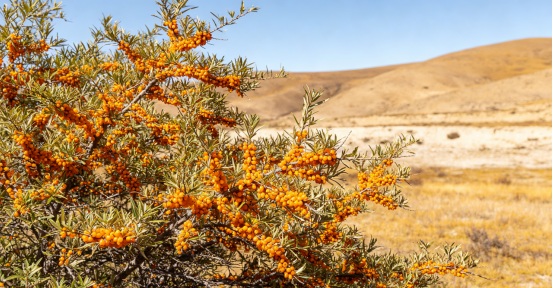
It is true that. Sea buckthorn (genus Hippophae) encompasses a range of species and subspecies that are distributed throughout the temperate zones of Europe and Asia and the color of the fruit may range from pale yellow-orange through a rich, reddish-orange based upon the species and conditions. High-altitude sea buckthorn is cultivated in cold, sun-rich conditions — such as the varieties with small-sized fruits indigenous to areas in Inner Mongolia — tends to show a particular intense sea buckthorn hue, which is in line with the plant’s capacity to produce a more protection pigments under more severe environmental conditions.
This variation in regionality is one reason why processors and growers are attentive to the source of their fruit the fruit of different regions. aren’t interchangeable in appearance or composition and even within the same species.
Carotenoids vs. Other Sea Buckthorn Pigments and Compounds
It’s essential to be specific in this regard: carotenoids are the reason for their color but only one part of the sea buckthorn’s larger nutritional profile. It also has flavonoids and organic acids and other bioactive substances that contribute to its nutrition profile but don’t alter its color. Practically speaking this means that sea buckthorn color can be an important indicator for carotenoid content and vitamin A-precursors specifically. It’s not a substitute for every vitamin or mineral the fruit has.
The vibrant orange color that is characteristic of the sea buckthorn is linked to its carotenoid composition; however, the color alone shouldn’t be considered a definitive indicator of the quality of the product. The variety of growing conditions the harvesting stage, the techniques for processing and storage techniques all affect the final appearance and nutrition profile. For both consumers and buyers, it is beneficial to think about the origin from the source of raw materials, its processing technique, the specifications of the ingredient and quality control rather than relying solely on appearance only.
If you are seeking products made from sea buckthorn created from carefully selected fruit, Youhero offers sea buckthorn products that are suitable for wellness and nutritional applications. We are focused specifically on the sea buckthorn a key plant ingredient and make products made from this naturally carotenoid-rich, high-quality fruit. You can find out more information about Youhero’s sea buckthorn products and product specifications at its website.
In the end, a more intense orange color could reveal something about the carotenoid pigments present However, it’s just one aspect of. A reliable source, a proper processing and storage are equally crucial in assessing the quality and reliability of products made from sea buckthorn.